Reasons for yellow spots on Alocasia macrorrhizos leaves and how to fix them
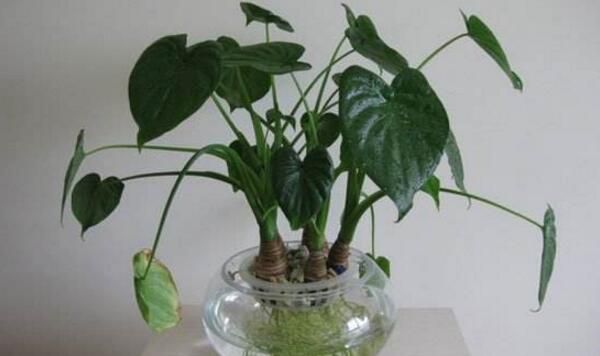
Alocasia macrorrhizos is very common in our daily life. It grows luxuriantly and has very high ornamental value in a suitable environment. For specific cultivation, you can refer to how to grow Alocasia macrorrhizos. However, during the cultivation process, some mistakes are inevitable, causing yellow spots on its leaves. Now let Facaishu Home explain it to you.
Changes in the environment
Changes in the environment can cause yellow spots on Alocasia macrorrhizos leaves, mainly because the soil environment is unsuitable. For Alocasia macrorrhizos cultivation, soil with too high an alkali content or soil that is not changed for a long time will lack nutrients, causing its leaves to develop yellow spots and droop.
Solution: In general, repot Alocasia macrorrhizos in spring and autumn, replace one third of the soil, remove its old roots and diseased roots, and then apply topdressing.
Unreasonable watering
Watering Alocasia macrorrhizos is very particular. Too much watering or long-term water shortage will cause yellow spots on its leaves. Too much watering will cause its roots to rot, while long-term water shortage will make its root soil compact and watering uneven, seriously affecting its growth.
Solution: When overwatered, stop watering immediately. If the roots have rotted, repot it, and control watering in winter. When water is lacking, water with a spray bottle and water thoroughly.
Unreasonable light
In general, Alocasia macrorrhizos likes cool shade, and light needs attention. Long-term exposure to strong sun will make its leaves turn yellow, while extreme lack of sunlight will also prevent it from photosynthesizing, severely limiting its growth and even causing yellowing and death.
Solution: Regarding light for Alocasia macrorrhizos, the light does not need to be too strong, but it cannot be absent. Generally, about three hours of light per day is enough.
Unsuitable temperature
Unsuitable temperature can also cause Alocasia macrorrhizos leaves to turn yellow. Its most suitable temperature is 20~30°C. Too high or too low a temperature will affect its growth, so temperature needs to be strictly controlled.
Solution: Alocasia macrorrhizos mainly grows in summer and winter. In summer's high temperatures, keep its soil moist, spray water frequently, and provide shade. In winter, move it indoors to provide a warm environment.
Unreasonable fertilizing
In general, fertilizing Alocasia macrorrhizos also needs to be reasonable. Too much fertilizer and long-term lack of fertilizer will both cause problems in its growth.
Solution: For fertilizing Alocasia macrorrhizos, generally apply phosphorus and potassium fertilizer once about every 20 days. When the winter temperature is below 15°C, stop fertilizing. When fertilizer is lacking, spray liquid fertilizer on its leaves to supplement nutrients, and avoid contact with its roots.
After understanding this, there are detailed solutions for some problems that occur during Alocasia macrorrhizos cultivation, making it easier for us to grow Alocasia macrorrhizos better.