How to Grow and Care for the Mulberry-leaf Plum
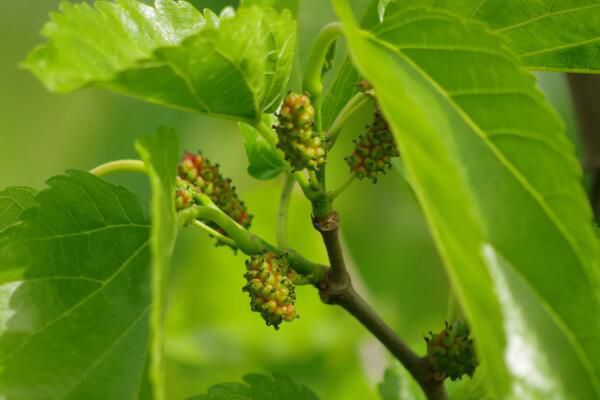
Growing the mulberry-leaf plum involves care and management measures such as soil, temperature, light, and fertilizer and water. For the potting soil, mix 4 parts leaf mold, 3 parts garden soil, and 3 parts river sand. In summer, when the light is too strong, provide appropriate shade; never leave it in prolonged direct sun. During the growing season, water once every 3-4 days to keep the soil moist, and apply an organic liquid fertilizer once every half month. Avoid waterlogging and fertilizer burn.
How to Grow the Mulberry-leaf Plum
1. Soil
Preparing a suitable soil is the first requirement for growing the mulberry-leaf plum well. In terms of growth habits, since it is highly adaptable to soil, it prefers to grow in loose, breathable, well-drained, and fertile soil, so you can evenly mix 4 parts leaf mold, 3 parts garden soil, and 3 parts river sand to prepare the soil.
2. Temperature
The mulberry-leaf plum has no strict requirements for growing temperature; generally, it can grow healthily and lushly throughout all four seasons. For example, in winter it can tolerate lower temperatures, so no warming measures are needed. In summer, when the light is relatively strong, you can provide appropriate shade during the midday sun and prohibit prolonged exposure to direct sun, avoiding the withering of branches and leaves.
3. Light
The mulberry-leaf plum likes bright light environments and has a certain degree of shade tolerance. When growing it, place it in an environment with relatively ample light, which promotes the growth of fresh, verdant branches and leaves. When the light is too strong, provide appropriate shade and prohibit prolonged exposure to direct sunlight, so it can get through summer safely.
4. Fertilizer and Water
The mulberry-leaf plum has strong growth ability and does not have very high requirements for fertilizer and water. During the growing season, water once every 3-4 days to keep the soil moist. In autumn and winter, water once every 5-7 days. Apply an organic liquid fertilizer once every half month, and apply a decomposed farmyard manure once before overwintering. Be careful not to cause fertilizer burn.