How should a newly bought chrysanthemum be repotted?
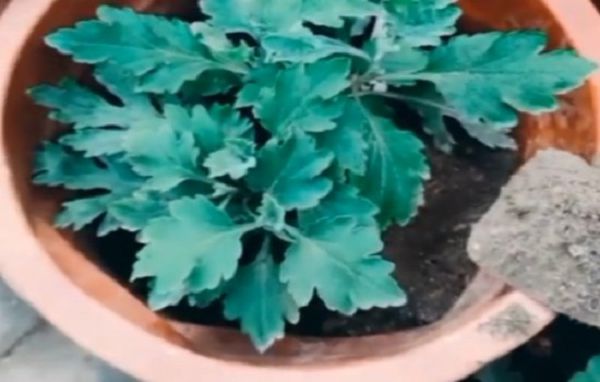
There are many varieties of chrysanthemums with rich colors, and they all bloom so brilliantly that even when grown as potted plants, their ornamental value is very high. Growing chrysanthemums as household potted plants also has many benefits: besides being enjoyed for their beauty, they can be harvested for chrysanthemum tea and used in dietary therapy, as medicine to treat illnesses, and more. Chrysanthemums usually bloom in autumn, and many enthusiasts like to buy them before they flower to grow at home.
However, chrysanthemums bought from the flower market usually come in very ugly original pots, which are also unsuitable for the plant to grow in for long. So many enthusiasts, as soon as they get a chrysanthemum, can't wait to repot it, but before long they find the plant showing various adverse symptoms. Could it be that our repotting method is wrong?
In fact, a newly bought chrysanthemum is not suited to repotting, whether before flowering or at other times, and should not be repotted immediately. This is because when a chrysanthemum arrives at our home from the seller, its care environment has changed, and the plant needs a few days of acclimatization to adapt to the new growing environment. If we rashly repot it at this time, the plant often struggles to establish itself in the new pot, leading to various signs of poor growth.
For a newly bought chrysanthemum, not only should you not rush to repot it, but even operations like watering and fertilizing are unsuitable. After all, during the acclimatization period, the plant's root system has not resumed normal growth, and watering and fertilizing will instead hinder its acclimatization. Therefore, we only need to place it in a bright, ventilated spot with indirect light for care; during this period, at most mist it a little to maintain humidity, and it does not require us to do much care management.
If it happens to be in bloom, to avoid affecting its flowering, it is recommended to double-pot it a few days after acclimatization. If the chrysanthemum is about to bloom next, we can appropriately increase watering to keep the potting soil often moist. And if the plant's flowering period is about to end at this time, we also need to promptly control watering and keep the potting soil slightly on the dry side, which both helps extend its flowering period and improves its ability to withstand cold and frost afterward.
If repotting is needed, it usually should wait until after the plant finishes flowering in late autumn. At this time we can combine it with post-bloom pruning, because after flowering it also enters dormancy, making it more suitable for repotting. But considering that the temperature also drops, it is recommended to repot with plenty of the original soil, or even without removing the original soil: simply take it out of the pot and plant the whole plant together with the original soil into a larger flowerpot, then fill in soft, breathable new potting soil around the plant.