How to water Aglaia odorata in all four seasons? A full breakdown of methods and precautions
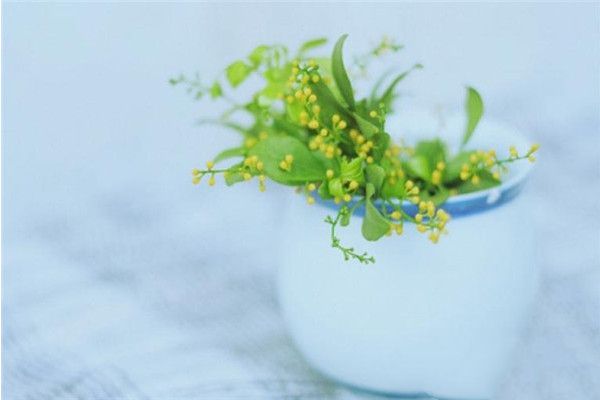
This plant, Aglaia odorata, is also known as "mizilan" or "yuzilan," perhaps because the flowers it produces are very small, similar to fish roe and grains of rice. Today, the editor will talk with you about how to water Aglaia odorata in spring, summer, autumn and winter, and the precautions to take.
Aglaia odorata is a perennial evergreen ornamental plant. Its leaves are leathery, glossy and dark green. It has many branches and green leaves, and the plant is very graceful. Its floral fragrance in particular is refreshing and delightful, which is why people like to plant it in courtyards or grow it at home as a bonsai. Aglaia odorata originates from the area of South China, and it is rather afraid of drought. It has a high water requirement, but it should not be watered without restraint either; you need to act according to the season and changes in weather and temperature.
1. Watering Aglaia odorata: we adjust it seasonally:
In spring the climate is generally mild and the temperature suitable, so it can be watered once a week (of course this also depends on the geographical location of the grower; if you are in the Guangdong-Guangxi or Lingnan area, you can follow the summer watering method).
In summer and autumn the weather is generally very hot, so Aglaia odorata has its greatest demand for water and can be watered once every one or two days. You must keep the soil moist, as only this can ensure the growth of Aglaia odorata and the formation of flower buds.
In winter, just wait until the potting soil has dried out completely before watering. In this kind of climate, do not water Aglaia odorata too much, because when the temperature is too low, Aglaia odorata is in its dormant period, and watering too much may damage its root system.
2. Control of fertilizing
Aglaia odorata can bloom multiple times throughout the year, generally mainly concentrated in summer and autumn, while in some places, if the climate and temperature are suitable, it may also bloom in spring. Note that during the flowering season of Aglaia odorata you should not water too much, but you should fertilize often. Aglaia odorata is generally fertilized with nitrogen fertilizer, and you can fertilize along with the rhythm of watering; if this is not done properly, it may cause the flower buds to drop.
3. Control of temperature
Aglaia odorata is relatively tolerant of high temperatures, but in winter it cannot overwinter in an environment below 5°C, so this point needs attention when cultivating it outdoors. Indoors there is basically no problem; when cultivating outdoors, pay attention to taking protective measures.
4. Precautions:
Watering too little may affect the normal growth and development of Aglaia odorata, but watering too much may cause its root system to rot and lead to yellowing, withering and dropping of the leaves. Therefore, on the issue of watering, growers must be especially careful. In addition, it should be combined with correct fertilizing and pest and disease control procedures. In particular, after Aglaia odorata has bloomed more than twice in a year, sufficient additional fertilizer should be applied so that its nutrients can be comprehensively replenished, enabling it to bloom again next time with richly fragrant flowers.
Editor's tip: in short, watering is the key to growing Aglaia odorata well. As long as you do this step well, you can ensure that your Aglaia odorata will have continuous floral fragrance and abundant greenery all year round.