How to grow magnolias? A detailed guide to magnolia cultivation methods
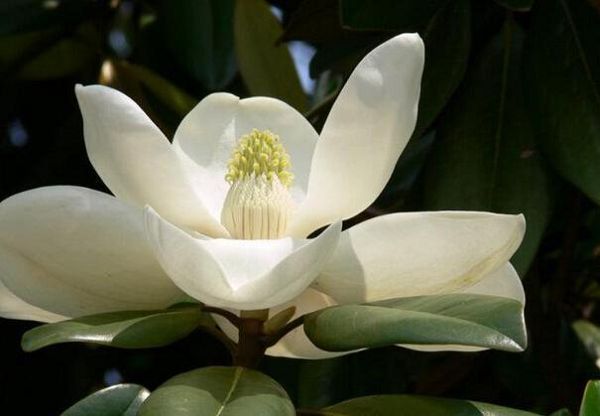
Origin: China, where it grows wild in the forests of the east, and has long been cultivated in Chinese gardens. It likes sunlight and a warm climate, has fleshy roots, and dislikes waterlogged conditions; it is best planted in high, dry, fertile, well-drained, slightly acidic sandy loam. Yulan magnolia is an important early-spring flowering tree. It is often planted in courtyards and in front of buildings. Its petals are thick and fragrant and can be eaten, its seeds can be pressed for oil, and its bark and flower buds are used medicinally.
Propagation: Grafting and layering are commonly used to propagate seedlings. For grafting, biondii magnolia is used as the rootstock. After leaf fall in autumn, graft onto the base of the trunk by stem grafting, then cover with soil to overwinter. The following spring, uncover the soil, untie the binding, and expose the buds; in that year it can grow up to 1 m tall, and it can bloom in 2-3 years. Layering is done after flowering; the following spring, separate it from the mother plant and grow it on its own.
Cultivation: Transplant after leaf fall in autumn or before flowering in early spring; to avoid affecting flowering, it can also be transplanted after flowering, but it must be moved with a soil ball. Seedlings must be protected from the cold when overwintering. Before flowering in early spring, apply a top dressing together with watering. From May to August, apply a top dressing once every half month. In winter, use compost to bank up around the base.