How to Grow Succulents into Old Stems with Multiple Heads
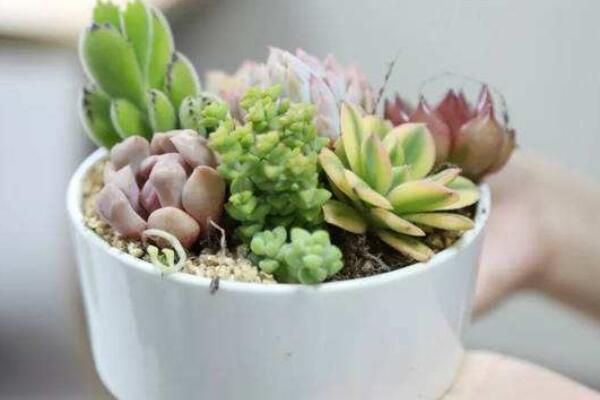
To grow succulents into old stems with multiple heads, you need to do a good job with care measures for light, watering, temperature, and pruning. Keep 5-7 hours of sunlight exposure every day, keep the potting soil slightly dry, and do not allow water to accumulate. Keep the most suitable growth temperature at 20-30 degrees, and regularly prune leggy branches, diseased and dead branches, and thin weak branches.
Methods for Growing Succulents into Old Stems with Multiple Heads
1. Light
To grow succulents into old stems with multiple heads, you need to maintain sufficient sunlight exposure. During the growing season, they should receive an appropriate amount of light every day, and 5-7 hours of sunlight exposure can be maintained to promote full growth of roots, stems, and leaves. When summer sunlight is relatively strong, proper shading is needed to prevent sunburn.
2. Watering
To grow succulents into old stems with multiple heads, do a good job with watering measures. Each time you water, do not water until the soil is dry, and keep the potting soil slightly dry. Never keep it moist for a long time. In this way, succulents will enhance their drought tolerance and their ability to accumulate nutrients, and the roots and stems will gradually swell.
3. Temperature
To grow succulents into old stems with multiple heads, you need to maintain a warm environment, for example, the most suitable growth temperature is 20-30 degrees. Because they are not cold-tolerant, if the temperature is below 0 degrees, frost damage will occur. Therefore, in winter, place them indoors in a heated location. In summer, when temperatures are high, move them to a relatively cool and ventilated environment.
4. Pruning
To grow succulents into old stems with multiple heads, proper pruning is needed. Cut off the leggy growing parts, and use the beheaded branches for cuttings propagation. In addition, also cut off diseased and dead branches, old branches, overlapping branches, thin weak branches, and so on. This avoids nutrient consumption and achieves better ventilation and light penetration for the whole plant.