How to fertilize potted osmanthus? Mastering these tips is key
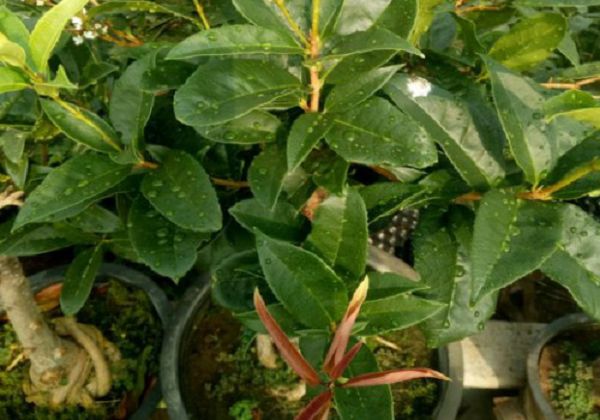
Osmanthus is fairly tolerant of poor soil, but it also likes fertilizer; it just does not like heavy or concentrated fertilizer, so you must master the techniques when fertilizing normally, especially for potted osmanthus, which often requires even more care. If there are not enough nutrients in the pot, its normal growth will inevitably be affected; but if you fertilize too much, especially in excess, it easily causes fertilizer burn. So what techniques should be mastered for fertilizing potted osmanthus? Today, the editor will share with you the fertilizing techniques for potted osmanthus.
First, we need to be clear that potted osmanthus requires more attention to fertilizer management than ground-planted osmanthus, because ground-planted osmanthus can obtain more nutrients from the soil, so it is easier to care for; while potted osmanthus is often limited by the pot space and can only use a certain amount of soil, and cannot obtain more nutrients through the soil. Therefore, potted osmanthus is stricter in fertilizer management than ground-planted osmanthus. Second, potted osmanthus has different nutrient needs at different growth stages, so the topdressing methods also differ.
1. Apply enough base fertilizer
Generally, when we pot osmanthus, we need to apply enough base fertilizer at the bottom of the pot, usually mainly organic fertilizer, which can be sheep manure, or manure from other livestock and poultry, or sesame cake, bean cake, etc. In short, base fertilizer should preferably be farmyard organic fertilizer, and it can either be buried at the bottom of the pot or mixed into the potting soil, but do not let the fertilizer come into direct contact with the plant's roots.
2. Apply compound fertilizer
During the growing season of osmanthus, not only is sufficient nutrient supply required, but elements must also not be lacking. Usually a compound fertilizer with the three elements nitrogen, phosphorus and potassium is suitable. You can first prepare a large container, put an appropriate amount of clean water in it, then put the compound fertilizer into the water, mix it according to a suitable ratio, and make it into a liquid fertilizer to water the osmanthus. But when fertilizing, apply thin fertilizer frequently, and do not take in too much fertilizer at once to avoid causing root burn.
3. Foliar topdressing
When fertilizing osmanthus, root topdressing is generally the main method, but it can be combined with foliar topdressing. Foliar topdressing has the characteristics of good absorption and quick results, and is mostly used to promote flowering and leaf growth, making osmanthus bloom more and become fragrant, with leaves more oily green and thick, so the ornamental value of potted plants is naturally higher. Spraying foliar fertilizer is generally done in spring when leaves begin to spread, spraying once every week, and spraying three times in a row is enough; at the same time, when the flowering period is near, you can also spray a little potassium dihydrogen phosphate to promote flowering.
4. Alternate fertilization
When fertilizing potted osmanthus, it is generally recommended to alternate self-made fully decomposed fertilizer with compound fertilizer, and the plant growth effect is better. We can use peanut beans, fish intestines, etc. to compost into decomposed fertilizer, letting it ferment fully, so it is safer to use. When fertilizing, dissolve and dilute the homemade fertilizer or compound fertilizer into fertilizer liquid, then rotate and alternate topdressing.
5. Do not apply raw fertilizer
No matter what flower or plant it is, the consequences of applying raw fertilizer are quite serious. Because raw fertilizer that has not been composted and decomposed, if applied directly, will release a large amount of heat during fermentation in the pot, thereby burning the plant's roots. Raw fertilizer mainly refers to organic fertilizer that has not undergone fermentation and decomposition. Generally, it needs to be composted in advance so that it fully decomposes, avoiding fermentation and heat generation in the pot. Of course, self-made fertilizer may have a relatively strong odor, and yogurt can be used to remove the smell.