Why do the lower leaves of potted chrysanthemums dry up and turn yellow?
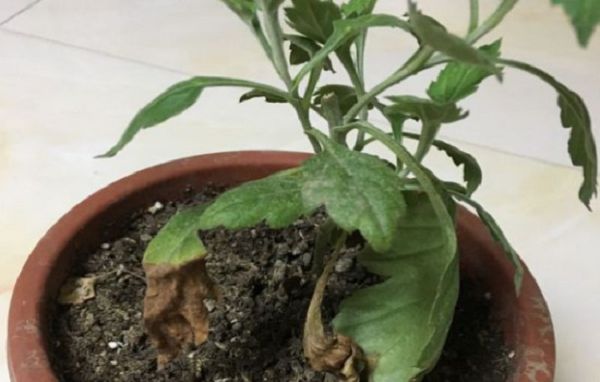
There are a great many varieties of chrysanthemum, and the flowers are extremely varied too; when grown in pots, they are highly ornamental, which naturally attracts plenty of gardening enthusiasts. Grown as a potted plant, whether for ornamental display, for accenting the surroundings, or for harvesting for tea or medicinal use, it usually delivers the results we want. So growing chrysanthemums in pots at home is very practical; if you love chrysanthemums, you really should give potted chrysanthemums a try.
Although growing chrysanthemums in pots has many benefits, if we want them to fully deliver their value, we also have to master some care and management knowledge, which is essential. Otherwise, once the plant has a problem, we will be at a loss. Just recently, a beginner gardening enthusiast ran into yellowing, withered leaves at the bottom of the chrysanthemum they grow in a pot at home.
Undoubtedly, for an ornamental potted plant, yellowing and withering of the leaves at the base of the plant will affect its ornamental value to a certain extent. Chrysanthemum leaves are emerald green and the flowers are large and showy; if the leaves at the bottom of the potted plant dry up and turn yellow, its looks are bound to suffer quite a bit. Therefore, we must figure out what is going on right away.
There are quite a few causes of dry, yellowing leaves at the bottom of potted chrysanthemums, and it has to be judged case by case, because it may be a normal phenomenon or an abnormal one. This requires us to understand and be familiar with this plant, its growth habits, and the correct methods of care and management, so that we can grow it well.
The lower leaves of chrysanthemums are usually old leaves; when winter comes and the temperature drops, because the growth of these old leaves becomes very slow and their stress resistance is weak, they tend to turn dry and yellow and drop off when affected by low temperatures. This is usually a situation that easily occurs when the plant is affected and stimulated by low temperatures; we just need to pick or cut them off and take timely measures to protect against the cold and keep warm.
Even during the normal growing season, yellowing of the bottom leaves can occur during the metabolic process of new and old leaves replacing each other. This phenomenon is quite normal, and again you just need to cut or pick them off. Care for the plant as usual and manage it as usual; there is no need to worry too much about this problem, because it has little effect on growth.
But if the care environment deteriorates and becomes unsuitable for the plant's growth, yellowing of the leaves at the base of the plant also tends to occur easily. So we need to promptly improve the care conditions and ensure sufficient light, good ventilation, and an appropriate amount of water and fertilizer without excess. As long as we provide a good growing environment, the yellowing of the bottom leaves will clearly improve.
But no matter which situation causes the yellowing and withering of the bottom leaves of potted chrysanthemums, we should promptly clean them up. Because leaving them at the bottom only wastes nutrients for nothing and may even spread to other healthy leaves. And leaving them at the base of the plant is not attractive either; as a potted plant, we have to consider its appearance. After cleaning up these poor leaves, the airflow at the base of the potted plant will also improve, making it more suitable for the plant's growth.