What to Do When Periwinkle Leaves Curl? Causes and Solutions
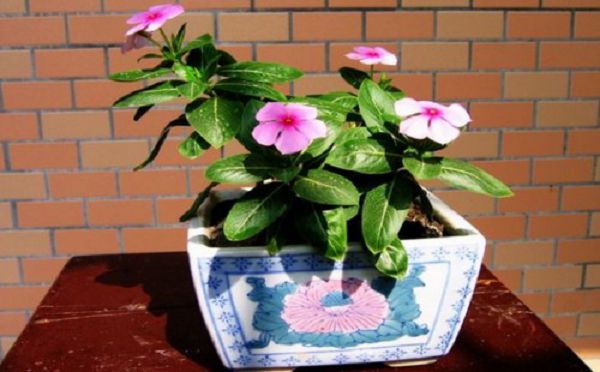
Periwinkle (Catharanthus roseus) is highly valued for its ornamental appeal because it stays green year-round, blooms profusely, and has a long flowering period, especially when grown as a potted plant, which makes it even more decorative. As long as you take good care of it, it can generally bloom from spring all the way to autumn, which is why periwinkle has also earned the nickname "daily spring." There are also quite a few varieties of periwinkle, and it adapts well to its environment, so with just a little care, it can easily be grown into a full, overflowing pot. However, sometimes factors such as inadequate management can cause periwinkle leaves to curl or become distorted. What is going on here?
Periwinkle has the characteristic of preferring a hot and humid growing environment, and it also has some shade tolerance, but it is not cold-resistant. Its optimal growing temperature is 20°C-33°C. Although it tolerates partial shade, it also likes light; although it likes moisture, it is also afraid of waterlogging. So during our routine management, we should care for it according to its growth habits; otherwise, the leaves of potted periwinkle may curl or become distorted and show other poor growth symptoms, which will seriously reduce its ornamental value.
Practice has shown that when periwinkle leaves curl or become distorted, it is often caused by the following factors.
1. Leaves curling upward
If periwinkle leaves curl upward and take on a cup shape during care and management, it is often caused by excessive light or too much water loss. This situation mostly occurs in summer. Although periwinkle quite likes hot, high-temperature weather, if it is exposed to the scorching sun for too long in midsummer, the light will be too intense and cause the plant to lose water excessively, so the leaves curl upward.
If it is caused by too-strong summer sunlight, necessary shading measures should be taken promptly, and the pot can be moved under the shade of a large tree; if the potting soil is too dry, water it promptly to maintain the moisture needed for the plant's growth. But in hot, high-temperature summer weather, it is recommended to avoid watering during the hot daytime period and instead water in the morning and evening. At the same time, you can also spray water more often to cool it down and maintain humidity.
2. Leaves curling downward
If you find that the leaves of potted periwinkle curl downward and take on a cup shape, it is mostly caused by the temperature in the plant's current growing environment being too low. After all, periwinkle is a plant with poor cold tolerance, and when the temperature is too low, the plant enters a self-protective state, which is often shown by curling its leaves.
The most suitable growing temperature for periwinkle is between 20°C-33°C, and it quite likes light. Especially in winter, in order to keep the plant growing well, it is even more necessary to provide it with sufficient light on sunny days. But in winter, keeping warm and protecting against the cold is often more important, and in particular, water should be controlled promptly; otherwise, the plant will easily suffer cold damage in winter. After all, periwinkle quite likes warmth, so even in winter the temperature should not be allowed to drop below 10°C; otherwise, it may cause the plant to suffer cold damage and make the leaves curl downward and show various other poor growth symptoms.
In response to this situation, we need to promptly move the pot indoors for care, and at the same time take good measures to keep it warm and protect it from the cold, adjusting the indoor temperature to above 10°C. Only in this way can we ensure the plant will not be frostbitten and provide a guarantee for it to overwinter safely and smoothly.