What causes orchid grass to turn yellow and wilt
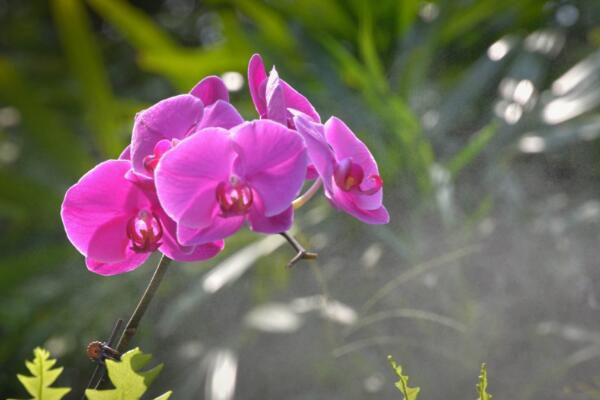
Orchid grass turns yellow and wilts because of improper light, temperature, watering and fertilizing. So during the growing period, place it in a spot with sufficient light and keep the most suitable growing temperature at 20-25 degrees. When the potting soil is dry, water it regularly and in the right amount to keep the potting soil slightly moist. During the growing period, apply a thin cake fertilizer solution once every half month.
Causes of orchid grass turning yellow and wilting
1. Improper light
Orchid grass turns yellow and wilts because of long-term exposure to the sun, so when the light is relatively strong, place it in an indoor environment with scattered light, which effectively avoids sunburn. In spring, autumn and winter, it can be placed in a spot with sufficient light, which helps photosynthesis and promotes healthy growth of branches and leaves.
2. Improper temperature
Orchid grass turns yellow and wilts because it has long been in a high-temperature environment, since it likes to grow in a warm environment, and the most suitable growing temperature is between 20-25 degrees. When the summer temperature exceeds 35 degrees, move it to a cool and ventilated place, and spray water around it to effectively lower the temperature and keep it moist.
3. Improper watering
When the potting soil has long-term water accumulation or severe drought, it will cause orchid grass to turn yellow and wilt. So watering must be done reasonably; when the potting soil is dry, water it regularly and in the right amount to keep the potting soil slightly moist. If water accumulation occurs, move it to a ventilated place, or directly repot it.
4. Insufficient fertilizing
Orchid grass turns yellow and wilts because of long-term under-fertilizing or severe fertilizer damage, so it is essential to fertilize regularly and in fixed amounts, for example, during the growing period apply a thin cake fertilizer solution once every half month, and fertilize less in winter. Note that concentrated fertilizer or raw fertilizer must not be applied, and fertilizer must not be applied in excess, to avoid fertilizer damage.