Can Monstera deliciosa remove formaldehyde? Its formaldehyde removal effect is average
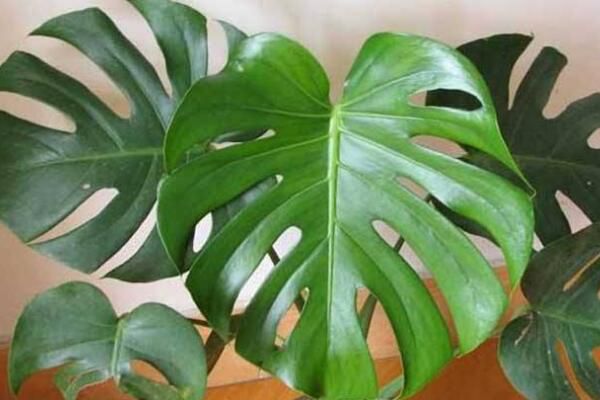
Formaldehyde is something we absolutely hate in daily life, and the main reason is that most decoration materials nowadays contain formaldehyde. Inhaling formaldehyde irritates human skin and mucous membranes. Long-term inhalation can also harm people's health. At this time, you can place some plants at home to help remove formaldehyde, such as spider plant, aloe, and so on. So, can Monstera deliciosa remove formaldehyde?
Monstera deliciosa can remove formaldehyde
Can Monstera deliciosa remove formaldehyde? The answer is yes. Monstera deliciosa's ability to absorb formaldehyde is still fairly average. Although it cannot compare with plants such as pothos and spider plant, it can still be placed indoors as an auxiliary plant for long-term formaldehyde absorption. If you quite like a plant like Monstera deliciosa, you might as well choose it as an indoor ornamental potted plant.
You cannot rely entirely on plants to remove formaldehyde
Speaking of formaldehyde, even if very eco-friendly materials are used in a house nowadays, a slight amount of formaldehyde will still be released. Moreover, the release of formaldehyde is a long process. Generally, the formaldehyde release period is 3~15 years. If you only want to rely on one or two pots of plants to remove formaldehyde, that is unrealistic. Plant-based formaldehyde removal can only play an auxiliary role. In addition to using eco-friendly decoration materials, you should also often open doors and windows for ventilation.
Notes on growing Monstera deliciosa
Monstera deliciosa likes a moist environment. During the growing period, sufficient moisture must be ensured, and the potting soil should often be kept moist but must not have standing water. Especially during high temperatures or dry weather, pay attention to spraying water on Monstera deliciosa to maintain air humidity.
Monstera deliciosa is relatively shade-tolerant, but it is afraid of strong light exposure. Usually, it only needs to be placed in a bright and ventilated indoor spot. The suitable growth temperature is 15~25°C. On high-temperature days, cooling measures should be taken well, and in winter when the temperature is too low, cold protection measures should also be taken.
The above is the answer to whether Monstera deliciosa can remove formaldehyde. If you want to effectively remove formaldehyde, you cannot rely on plants. In addition to using more eco-friendly materials, you should also often open doors and windows to ensure air circulation.