Harmful Symptoms of Southern Blight in Potted Orchids and Control Methods
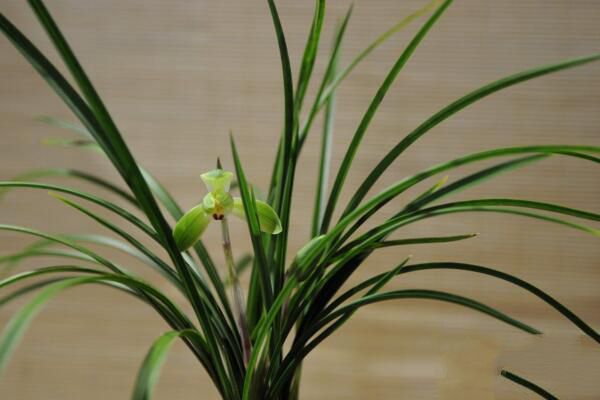
Orchid southern blight can also be called white silk disease or sclerotium disease. The pathogen is a fungus of the Deuteromycotina, which begins infecting from April to May, with the peak incidence period from June to August. Moreover, the disease develops rapidly and, in severe cases, can cause the entire orchid plant to rot and die. Therefore, today the editor will explain it, specifically as follows.
I. Harmful Symptoms
The disease starts from the base of the leaves. Initially, the leaf base near the potting medium becomes water-soaked, then slowly turns brown and rots, and produces white filamentous mycelium. The diseased part produces sclerotia, which are initially milky white, then turn cream yellow, and finally become dark brown, about the size of rapeseeds, spherical or oval in shape. The mycelium continuously spreads upward or across the surface of the potting medium around the roots, ultimately causing the orchid plant to wither and die.
II. Disease Development Pattern
Southern blight is prone to occur during the hot, humid rainy season. The pathogen overwinters as mycelium and sclerotia in the potting medium or diseased tissues, and then spreads through wind, rainwater, and potting medium. After the disease occurs, when humidity is high and temperature is suitable, the condition develops quickly, ultimately causing the entire pot of plants to die.
III. Control Methods
1. During daily cultivation, proper ventilation should be provided. Potted orchids should not be placed too densely.
2. If the orchid plant has already been infected with southern blight, first remove the rotten tissue, dry the orchid roots slightly, then soak them in a diluted pesticide solution for 30-40 minutes, remove and dry them, then continue soaking. After repeating this operation 2-3 times, replant.
3. Spray the orchid plants around the diseased plant with a fungicide at the root collar for protection. Optional control agents include 20% tolclofos-methyl emulsifiable concentrate at 600-800 times dilution, 75% fenaminosulf soluble powder at 800-1000 times dilution, and 25% prochloraz emulsifiable concentrate at 800-1000 times dilution.