Add this to your potting soil and your plants will not rot for 10 years, with green leaves, bright flowers and no pests
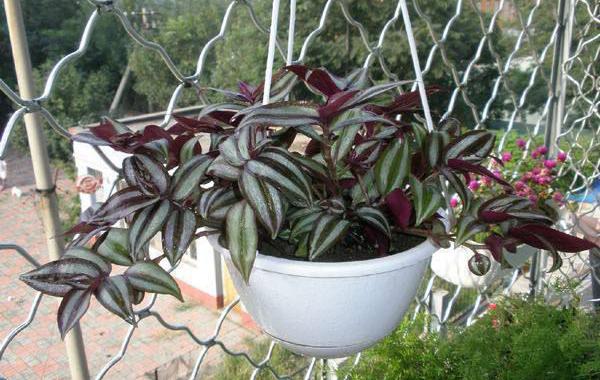
For friends living in rural areas, plant ash is nothing new. Plant ash itself is a very good fertilizer. Plant ash mainly contains quick-acting potassium fertilizer, and also contains effective nutrients such as phosphorus, calcium, iron and magnesium. It can promote vigorous plant growth, boost disease resistance, and can also significantly improve drought resistance. When growing potted flowers, add a little of it, and the effect of green leaves and bright flowers is really good.
Notes: Plant ash must not be mixed with organic farmyard manure or ammoniacal nitrogen fertilizer, so as to avoid nitrogen volatilization, nor should it be mixed with phosphate fertilizer, which would reduce the fertilizer efficiency of the phosphate fertilizer. Because plant ash is alkaline, applying it to soil is best done in clayey, acidic or neutral soil.
How to use: 1. When plant ash is used for potted flowers, it can be used as a base fertilizer, and the effect will be greatly increased, making potted plants have green leaves and bright flowers.
2. Used as a top dressing, the leachate of plant ash can be used to water flowers with very good results, and plant ash can also be directly sprinkled on the potting soil.
3. When repotting flowers, you can apply a little plant ash to wounds caused to the root system to promote wound healing, and it is especially useful when repotting clivia.
Tip: Plant ash is an alkaline substance. If too much is added, it is easy to make the potting soil too alkaline, which not only has no effect but also affects plant growth, so pay attention to controlling the amount applied, and prefer it dilute rather than concentrated.