How to extend the blooming period of the bird of paradise? Master these care methods
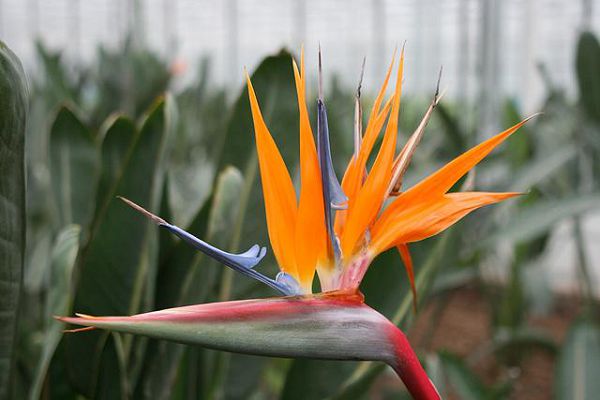
The bird of paradise (Strelitzia), of the family Strelitziaceae, is a rare indoor plant grown both for its foliage and its flowers. It is much loved for its upright stature, graceful leaves, and flower crown that closely resembles a crane's head. Every year in autumn and winter, once the bird of paradise enters its blooming period, it is truly the plant's best ornamental season. The ways to extend the blooming period are roughly as follows:
(1) Avoid strong light exposure, including direct strong lamplight. Excessive light easily causes poor bud development or wilting flowers. But do not place it in an overly shaded environment either, as the flowers will lose their vivid color.
(2) Control the ambient temperature well, and by all means avoid too high a temperature, otherwise the flowers' metabolism speeds up and they wilt very quickly. If the ambient temperature changes too quickly, it will also shorten the blooming period. The most suitable day and night temperature is between 10 and 18°C.
(3) Regarding fertilizing, once the buds appear (flower buds emerge), no more fertilizer should be applied. This is because fertilizer accelerates the flowers' growth and makes them age very quickly.
(4) The flowers must not get wet. If when watering you accidentally spray water onto the flower crown, it is best to find a way to remove it, otherwise the flowers easily rot.
(5) Do not frequently touch the flower crown with your hands; this is taboo for all flowering plants.
The flowers of the bird of paradise are very precious, and people attach to them the meanings of good fortune and beauty; it is also called the "bird of paradise" and the "flower of joy". The bird of paradise can be used not only as a cut flower but also for cut foliage; its feather-like leaves are even more magnificent and graceful as accompanying foliage for cut flowers.