Causes and Solutions for Low Body Temperature in Sows
Low body temperature disease in sows is a common and frequently occurring disease in sows. It occurs mostly in the cold seasons of late autumn, winter and early spring. Most people are aware of the dangers of fever in pigs, but low body temperature is often more frightening than fever. Iftreatmentis not givenin time or the treatmentmethod is inappropriate, it often causes the death of both the sow and her piglets, bringing relatively large economic losses to the pig farm.
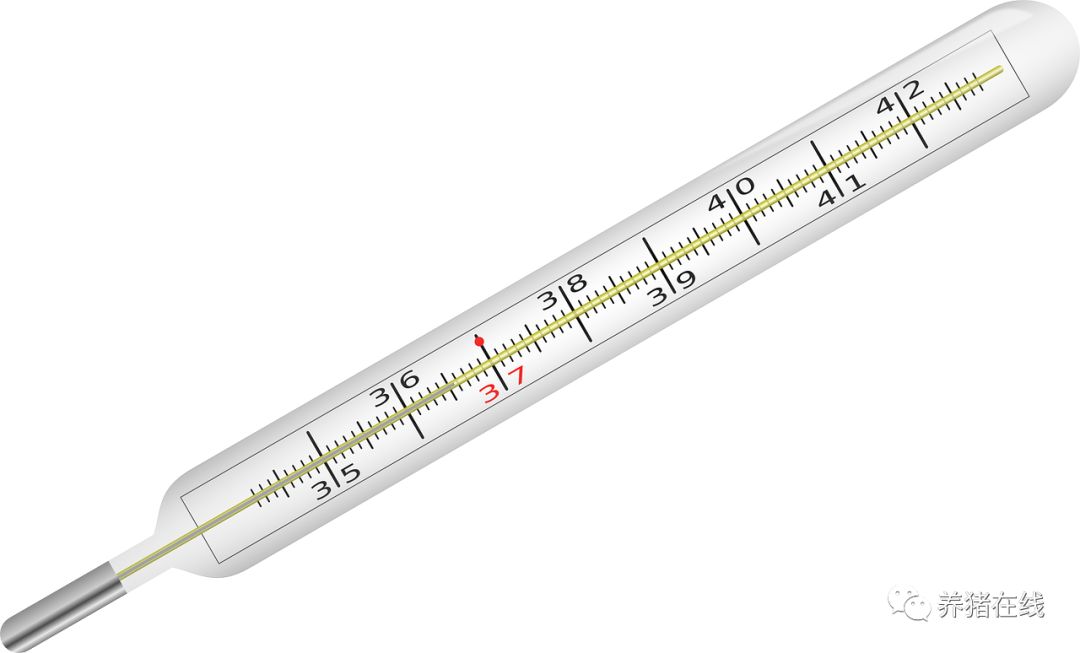
Causes of the disease:
Excessive addition of drugs, moldy feed, lack of exercise, insufficient drinking water, crude pig housing, inadequate insulation measures. Malnutrition caused by not feeding according to standards, insufficient heat production in the body and excessive heat loss cause the sow's body temperature to drop. Factors such as the sow being old and weak, and a damp pen can all cause low body temperature in sows.
Clinical symptoms:
The ears feel cold, and the snout disc feels cold. Some have a normal appetite. Some have reduced appetite and slow breathing. In the early stage the spirit is still fair; in the middle and late stages there is listlessness, a preference for lying down, reluctance to move, a drooping tail, and complete loss of appetite. In particularly severe cases, symptoms such as inability to stand and a relaxed anal sphincter may appear. Some have pale conjunctiva. The body temperature is between 35 degrees and 38.4, the stool is dry, and the urine is yellow.
Generally speaking, a body temperature of 38.4 degrees to 37.5 degrees is treatable; 37.5 degrees to 36.5 degrees, try treating; below 36.5 degrees, untreatable.
If you take a sow's temperature 20 days before farrowing, you can discover this pattern. You can roughly predict how many days after birth the piglets in the farrowing house will fall ill. The pattern is:
If the sow's body temperature is between 38.5 degrees and 39.2 degrees 20 days before farrowing, the piglets are healthy and easy to raise; this situation shows that the sow is relatively healthy;
At 38.4 degrees, the piglets fall ill around 15 days after birth;
Below 38.5 degrees, the sow is in a sub-healthy state;
At 38.3 degrees, the piglets fall ill around seven days after birth;
At 38.2 degrees, the piglets fall ill three to five days after birth;
At 38.1 degrees or below 38 degrees, the piglets fall ill 1 to 3 days after birth, or the piglets are even stillborn in the womb.
Treatmentmethods:1
For the drop in body temperature caused by constipation, an enema with soapy water can be used first; the amount of soap used is 100 grams each time. Cut it into small pieces with a knife, then scald it with boiling water. The part that cannot dissolve should be rubbed with the hands until the soap is completely dissolved. Use a stomach tube or a semen catheter for the enema. Four hours after the enema, use 2 liang of vinegar for a deep enema, once a day; in severe cases it can be repeated until the stool and appetite return to normal.
A human-use glycerin suppository can also be used, administered rectally at three times the human dosage.
For low body temperature caused by mycotoxins, the raw materials can be replaced with high-quality, mold-free ones. At the same time, increase the amount of mold remover added to the feed. If conditions permit, some liver-protecting products can be added, because even the best mold remover cannot completely remove the mycotoxins in the feed. A portion will be absorbed through the intestinal tract and enter the blood, damaging the normal function of organs such as the liver and leading to digestive dysfunction. So at this time some liver-protecting products should be used.
Intravenous glucose infusion:
① 500 ml of 10% glucose solution at a time, once a day, for 2 to 3 consecutive times. If there is no 10% glucose, add 100 ml of 50% glucose to 500 ml of normal saline.
② If the appetite is reduced, it should be combined with vitamin C, inosine and B6, 10 ml each, for a better effect.
③ Brown sugar water added to drinking water or mixed into feed, fed at 0.5 jin per head per day; if there is no brown sugar, white sugar can be used instead, for symptomatictreatmentand can be chosen as needed.
④ Epinephrine hydrochloride and sodium camphorsulfonate for intramuscular injection; epinephrine hydrochloride injection 1 to 2 ml each time is enough, once or twice a day. Sodium camphorsulfonate injection, 10 to 20 ml per sow each time. For mild cases, once a day; for severe cases, the injection can be repeated every four hours.
⑤ Astragalus polysaccharide combined with ceftiofur sodium for mixed injection, once a day for 2 to 3 consecutive days. Everyone can flexibly choose among the above options.
Preventive measures:
Strengthen feeding management, and the feed should be comprehensive in nutrition. Control mycotoxins well from the raw materials, find every way to provide the pigs with sufficient drinking water, maintain a reasonable herd, and keep more sows of parities two to seven. Sows of parity seven or above can be culled as appropriate. The pig house should be kept clean, hygienic, dry, warm and ventilated.
The purpose of writing this article is to tell everyone that in actual production, if a sow has reduced appetite or stops eating and her body temperature is below 38.5, do not assume that because there is no fever it is normal; symptomatic treatment should be given in time. Second, in actual production, sows should be observed frequently, so that problems are found early and dealt with early. Only when the sow is normal can the piglets be easier to raise. Only then can more births, fewer deaths and fast growth truly be achieved.