How to look at piglet diarrhea? Xiao Jian'gen's 13 points of view
Xiao Jian'gen: My 13 points on piglet diarrhea
 4. Temperature changes
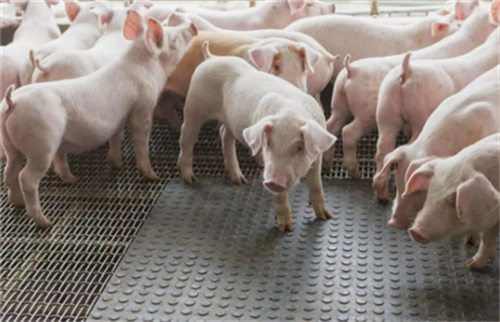
Too great a temperature difference between day and night will also cause piglet diarrhea. The temperature difference inside the house should not exceed 2°C, and the piglets' warmed resting area should not exceed 1°C.
5. Moisture (humidity)
The farrowing bed surface must remain warm and dry 24 hours a day at all times, especially the piglets' warmed resting area.
6. Colostrum intake
Piglets must consume enough colostrum within 6 hours after birth to obtain sufficient antibody protection. At the same time, colostrum contains a high amount of milk fat, which can provide the energy piglets need.
7. Drinking water
Drinking water is quite important for piglets. If the water temperature is too low or the drinking water is unsanitary, it will promote diarrhea in piglets.
8. Sows lacking milk or developing mastitis
Once a sow lacks milk or develops mastitis, the piglets cannot consume enough breast milk and become hungry and cold, which often increases the chance of pathogenic bacteria infecting the piglets and causes diarrhea.
9. Weak and small piglets
Weak and small piglets are less competitive at the teats than other normal piglets, so they must be cared for with even more effort so that they can consume enough breast milk or milk replacer to strengthen their physical strength and reduce stress. Otherwise, once a weak and small piglet has diarrhea and becomes ill, to the other healthy piglets in the same litter it is a carrier and spreader of pathogens.
10. Care of piglets
From birth to the suckling period, piglets must undergo iron injections, teeth clipping, umbilical cord cutting, castration, and other procedures. For piglets, although these are necessary tasks, they also increase stress. Therefore, careful care and avoiding piglets being attacked by pathogens are important keys to reducing diarrhea.
11. Hygiene management
A piglet with diarrhea and illness can easily transmit pathogens to healthy piglets through the operator's hands, boots, or injection needles, so any equipment and tools that have been used must be properly cleaned and disinfected before being used again next time. When operating, remember to handle healthy piglets first and then handle piglets with diarrhea.
12. Vaccination of sows
Using vaccines for injection 2-4 weeks before the sow farrows enables the sow to produce antibodies, which are then passed to the piglets through colostrum, improving the piglets' resistance and effectively reducing the occurrence of diarrhea.
13. Cleaning and disinfection of farrowing beds
Farrowing beds are often places where pathogens remain and breed. Especially when piglets had diarrhea the previous time they were used, before the next batch of sows enters the farrowing house, cleaning and disinfection work must be done even better, otherwise the trouble of piglet diarrhea will continue to occur endlessly.