What causes a pig's body to turn red? Detailed explanation of causes and treatment methods
Do you know about the pig body reddening caused by this condition? Can you treat it?
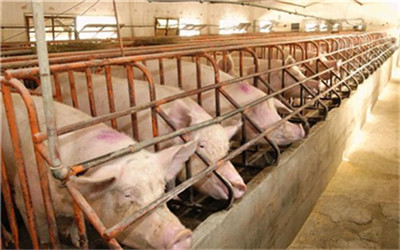 (2) Diagnosis
Based on the epidemic season, the characteristics of the disease, and clinical symptoms, when pig eperythrozoonosis is suspected, draw about 1 mL of blood from a pig suspected of having eperythrozoonosis and make a smear, dilute it 10-fold with normal saline and mix evenly, cover with a coverslip, and observe under a microscope at 400-600 magnification. If moving organisms of various shapes are found on the surface of red blood cells and in the plasma, a diagnosis of pig eperythrozoonosis can be confirmed. Based on my own clinical practice, the accuracy rate is over 95%.
(3) Prevention
1. Strengthen feeding management, improve barn sanitation, and eliminate stress factors.
2. In summer and autumn, frequently spray insecticidal drugs to prevent insects from biting the pigs.
3. When carrying out management procedures such as preventive injections, ear tagging, and castration, instruments should be replaced and strictly disinfected.
(4)Treatment
For this disease, early detection, early diagnosis, and earlytreatmentare needed so that the condition can be brought under control in time and losses reduced. First, affected pigs should be penned together and isolated from healthy pigs, and dead pigs should be subjected to harmless disposal.
1. Berenil, at 5 mg/kg body weight, intramuscular injection once a day for 3 consecutive days; when the dose is large, it is best to inject deeply at multiple sites.
2. Sulfamonomethoxine, at 0.1 mL/kg body weight, intramuscular injection once a day for 3 consecutive days.
3. Oxytetracycline, at 15 mg/kg body weight, intramuscular injection once a day for 3 consecutive days.
4. During the recovery stage, commonly use hematinic, vitamin C injection, inosine injection, and vitamin B12 injection by intramuscular injection for 2 to 3 days, to achieve the purpose of resisting anemia and strengthening the body.