How to raise Xinhuai pigs? A detailed guide to Xinhuai pig farming techniques
How to raise Xinhuai pigs? Xinhuai pig farming techniques!
1. Rearing environment
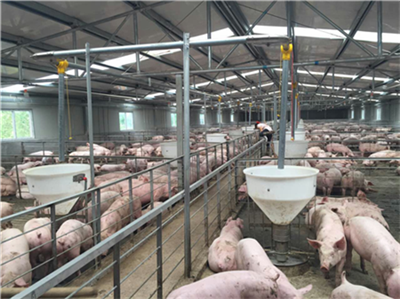
A rearing environment with high, dry terrain and good ventilation should be chosen. The pig house site should be selected in a place with high, dry terrain, good drainage, and shelter from the wind while facing the sun. It should be as far as possible from busy downtown areas, hospitals, and sewage treatment sites, and building pig farms in water source protection areas, nature reserves, and tourist areas is prohibited. It is necessary to ensure that the pig house has sufficient water sources, clean water quality that meets standards, convenient transportation, and conditions favorable for disease prevention.
2. Feeding methods
Raw gruel feed or tree-shaped feed can be given. The daily feeding amount of concentrated feed per pig must not exceed 1.5 kg. According to different growth stages, the feeding amount can be appropriately increased to control growth speed. Green roughage is generally fed 1-2 times per day, and must not be less than 1.2-2.5 kg per day. Starting from 50 kg at the end of nursery, after registering and recording the ear tags, begin feeding green roughage. Feeding should be done at fixed times and in fixed amounts, giving less but adding frequently,Prevention and controlFeed contamination and spoilage, and at the same time lactic acid bacteria, yeast elements, and other probiotics can be added to the feed to maintain microecological balance.
3. Precautions
During the rearing process, several aspects should be noted. First, observe their spirit: if before feeding they rush over in a swarm upon hearing a sound and keep squealing, it indicates hunger, and more feed can be given. If the feed is snatched up and gone in a short time, the pigs do not settle down, and they are still crowding and looking around, then it indicates the feed was insufficient, and some more can be added. Second, observe appetite: if after feeding only a little crushed feed foam remains in the trough, with no small piles of powder or pellet feed, it indicates the previous feeding amount was moderate; if leftover feed is seen in the trough, it indicates the previous feeding amount was too much or the pigs show signs of disease, so this time the amount should be reduced and the leftovers cleared away. Third, observe feces and urine: urine that is reddish-yellow or contains red blood streaks is a sign of disease, and feces containing feed particles indicates the pigs have eaten too much, so the feeding amount should be reduced. If the feces and urine are pasty, light gray, or green, then this is a sign of illness. Normally, it is necessary to do a good job of cleaning and hygiene in the pig house, pay attention to cold and heat protection, and keep the trough clean and hygienic.