How to care for a Chionanthus retusus bonsai? Detailed methods and tips
Propagation
If you want to propagate Chionanthus retusus by sowing seeds, the best time is from mid-September to early October; propagation by cuttings is mostly carried out from July to August.
Soil and water
Chionanthus retusus does not have high requirements for soil, but it grows best in loose sandy loam with sufficient water and nutrients. Chionanthus retusus very much likes a humid and mild environment, but you must ensure that the water used for irrigation can drain away and does not accumulate.
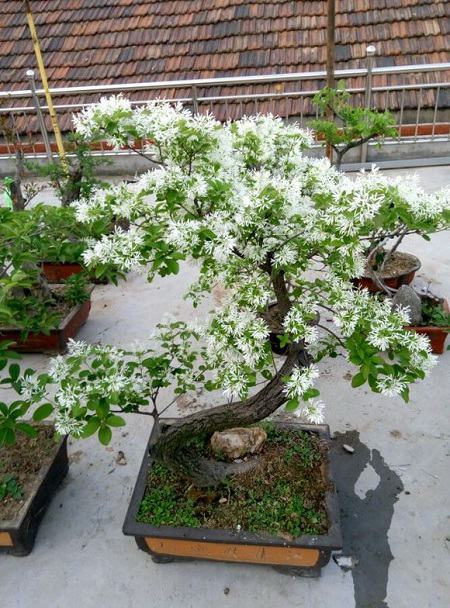
Light and temperature
Chionanthus retusus likes a warm climate and can also withstand cold temperatures. Chionanthus retusus likes sunlight and can also tolerate shade.
Pest and disease control
For Chionanthus retusus, the biggest pest is the scarab beetle, which can bite through its roots and cause the whole plant to die. There are two most common defensive methods: first, use phoxim, mix it with water, and pour it into the pot; second, use trichlorfon to spray its leaves. The most common disease of Chionanthus retusus is brown spot disease, which is extremely likely to occur in a highly humid and stuffy environment. If you find brown spots on the leaves, you should strengthen management of its environment, observe the surrounding environment to see whether there is ventilation and light penetration, and also observe the soil and flowerpot to see whether fertilizer is applied in a timely and appropriate amount and whether there is water accumulation.
Two main uses
Ornamental use
Whether as a potted plant or for outdoor landscaping, it is a good choice.
Other uses
The fresh tender green leaves and flowers of Chionanthus retusus can be naturally air-dried and then brewed as tea; the fruit can be cold-pressed to extract aromatic oil.