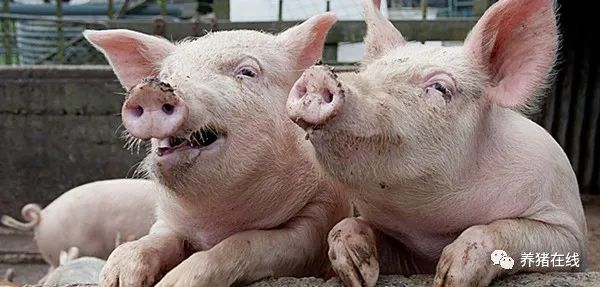
Swine enzootic pneumonia, also known as Mycoplasma hyopneumoniae infection, is a chronic respiratory infectious disease of pigs. Below I will explain how it should betreatedswine enzootic pneumonia.
Swine enzootic pneumonia, also known as Mycoplasma hyopneumoniae infection, is a chronic respiratory infectious disease of pigs. The main symptoms are coughing and panting.
The pathological changes are mainly located in the lungs within the thoracic cavity. Acute cases are dominated by pulmonary edema and emphysema; subacute and chronic cases show "shrimp meat"-like consolidation of the lungs. Affected pigs grow slowly, have low feed conversion efficiency, and the fattening period is prolonged.
Mycoplasma hyopneumoniae is one of the main pathogens causing respiratory diseases in pigs, and mainly exists in the respiratory tract, lung tissue, hilar lymph nodes and mediastinal lymph nodes of infected pigs. Diseased pigs and carrier pigs are the main sources of infection, and the main routes of transmission are: respiratory tract transmission, direct contact transmission and droplet transmission.
The pathogen infects only pigs; in the early stage of infection, Mycoplasma hyopneumoniae exists on the surface of the trachea and bronchi and damages the mucosa-cilia barrier, causing proliferation of lymphoid cells around the bronchi and blood vessels;
The immune response of infected pigs to Mycoplasma hyopneumoniae mainly occurs 15-20 weeks after infection, which shows that this infection has a certain immunosuppressive effect.
III. Onset and prevalence
There is no difference in breed, age or sex in the onset of this disease, and it can occur throughout the year, but is more common in cold, rainy, humid or suddenly changing weather.
Poor feed quality, overcrowded, damp and poorly ventilated pig houses are the main predisposing factors. When infection occurs alone, the mortality rate is not high, but once it is introduced into a pig herd, it is very difficult to completely eliminate without strict measures.
Under natural infection conditions, it is prone to secondary infection by Pasteurella, pneumococcus, Actinobacillus pleuropneumoniae, Salmonella and various pyogenic bacteria, Mycoplasma hyorhinis and granular Chlamydia, etc., thereby causing worsening of the disease and increased mortality.
IV.Prevention and controlmeasures
1. Keep the disease out: adhere to self-breeding and self-raising, strictly prevent the introduction of diseased pigs, and if introduction is needed, strictly control isolation and quarantine, and at the same time do corresponding disinfection management well.
2. Manage internally: ensure reasonable nutrition at all stages of the pig herd, avoid feed mildew and deterioration, control the micro-environment in combination with seasonal changes, strictly control stocking density, implement an all-in-all-out system, and regularly alternate disinfection with various chemical disinfectants.
3. Vaccine immunization: the vaccine must be injected into the thoracic cavity; intramuscular injection is ineffective. Note that within 15 days before vaccination and two months after vaccination, do not feed or inject drugs that inhibit the vaccine, such as oxytetracycline and kanamycin.
4. Combined drug use: because Mycoplasma hyopneumoniae can change surface antigens and cause immune escape, leading to weakened immunity.
Therefore pig farms need to combine drugs forprevention and control, and a course of treatment is generally 3-5 days. In particular, pregnant sows should be medicated in feed for purification, and their piglets should be raised separately and not kept for breeding. Farms with the conditions should implement early isolation weaning to reduce the contact time between sows and piglets as much as possible, while also paying attention to drug prevention and purification.