Experience in treating swine respiratory disease: you cannot rely on antibiotic treatment alone!
Porcine respiratory disease complex is a syndrome caused by multiple factors,characterized by reduced growth rate, reduced feed conversion efficiency, loss of appetite, coughing and difficulty breathing.In the past it was always thought to be caused by Mycoplasma or pleuropneumonia, but this is not the case; in fact, porcine pseudorabies, circovirus disease, influenza virus, respiratory coronavirus, Haemophilus parasuis disease, classical swine fever and so on can all trigger this symptom
Its infectious factors fall into two categories: the first category is viral diseases such as porcine reproductive and respiratory syndrome (blue ear disease) and circovirus disease, which cause disease in pigs on their own and destroy the pig's immune system. The other category is Haemophilus parasuis disease, pleuropneumonia, Streptococcus and Pasteurella multocida disease, which, on the basis of the primary infectious pathogen, then spread and develop to form a syndrome that continuously worsens the condition.
Therefore, intreatment, it is not enough to simply choose sensitive antibiotics; some Chinese herbal medicines must also be added to regulate the pig's triple burner (sanjiao), and in addition the pig's immune function must be improved, vitamins supplemented, and the pig's absorption of drugs promoted.
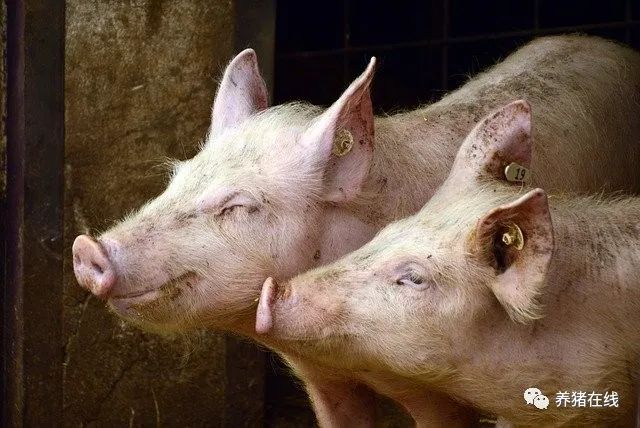
Some antiviral Chinese herbal medicines and Chinese herbal decoction formulas that boost immune function have a great promoting effect on thetreatmentof porcine respiratory disease complex. Simply using two or more antibiotics, alternating them for prevention andtreatment, often fails to achieve the expected results. If Chinese herbal preparations are used for regulation and vitamins are supplemented, only through the repair and improvement of the pig's immune function can porcine respiratory disease be suppressed.
In addition, strengthening feeding management and improving the environment are also necessary. Reducing ammonia gas in the pig farm is of great help in shortening the control of respiratory disease.
Preventing disease before it occurs, it is very necessary to do a good job of preventing respiratory disease complex in advance.
Respiratory disease complex has a very high incidence rate and a mortality rate that is not low either. It most likes to occur in small feeder pigs. It seriously affects the time for pigs to be sent to market.
It mainly manifests as coughing and rapid breathing, accelerated breathing, difficulty breathing. Sometimes it manifests as foaming at the mouth, dog-sitting posture, conjunctivitis, and the skin turning dark and purple. Sometimes it is also accompanied by fever. If after drugtreatment, some become stunted pigs. They cannot be cured, yet they will not die either.
The pathological changes mainly manifest as congestion and hyperemia of the lungs, edema, hepatization, hemorrhage and hardening. The systemic lymph nodes are extensively enlarged, congested and hemorrhagic. In viral pneumonia, the apical lobe and cardiac lobe of the lung can be seen elongated, turning into the so-called "rubber lung"; some pig lungs are even embedded in the ribs and cannot be pulled off. Some pig lungs become purulent. The bronchi are filled with mucus, causing the pigs to suffocate and die. After death, a series of symptoms such as foam flowing from the mouth and bleeding from the nostrils occur.
Pig farms where these diseases occur severely generally do not have adequate air protection and environmental protection. The pig farm has severe ammonia gas and no cross-ventilation. In addition, disinfection work is not done adequately. Vaccination is not successful, and the vaccination program has not been carefully carried out.
1. Do not go outside to buy silently infected pigs. Vaccinate well.
Use all-in-all-out systems as much as possible. Pigs introduced from outside must be carefully observed, given good health care, and vaccinated well before they can be transferred into the large pig house.
2. Vaccines related to the causes of respiratory disease complex must all be administered properly.
Especially the vaccination for circovirus disease and Haemophilus parasuis disease, these two vaccines. These two diseases severely damage the pig's immune system. If these two vaccines are not done well, they often cause other vaccinations to fail. Vaccines for respiratory diseases such as blue ear disease, pseudorabies, porcine bronchopneumonia, porcine pleuropneumonia and Pasteurella multocida disease must all be done well.
3. Compatibility of antibiotics for preventing secondary infections:
A. Tiamulin plus doxycycline.
B. Tylosin plus doxycycline.
C. Florfenicol plus tilmicosin.
D. Lincomycin plus chlortetracycline.
E. Tylosin plus sulfamonomethoxine sodium.
The above compatibility methods can, according to the actual situation and different causes, adopt different antibiotic combinations.
4. Flexible use of Chinese patent medicines.
It is now the cold season, so you can choose: Maxing Shigan San or Dingchuan San.
In summer you can choose: Shigao Zhimu San or Qingfei San.
The above Chinese patent medicines are combined with Western medicines.
Then add some antiviral Chinese herbal medicines: Fuzheng Jiedu San or astragalus, etc., then supplement vitamins and probiotics as auxiliarytreatment。
5. Individual clinical injection medication.
In addition to using antibiotics such as lincomycin, tilmicosin and florfenicol fortreatment, according to the actual situation, combine with a series of drugs such as dexamethasone, aminophylline, Shuanghuanglian and banlangen. Use these drugs to reduce fever, reduce inflammation and relieve asthma. Vitamins and soda water can also be supplemented through infusion, and interferon can also be used fortreatment. The specific medical case must be selected according to the actual situation.
Once respiratory disease breaks into your pig farm, then your pig farm will lose money. Especially for pig-raising friends who raiselocal crossbred pigsandthree-way crossbred pigs. This is because local pigs are more sensitive to respiratory disease. Moreover, respiratory disease is an important disease that tests the management level of a pig farm. So prevention is greater than treatment; do not let respiratory disease enter your pig farm.