What to Do About Sow Bloat? Cause Analysis and Prevention and Treatment Methods
Livestock Farming0 views
How to Solve Sow Bloat? Causes of Bloat and Prevention and Treatment Methods
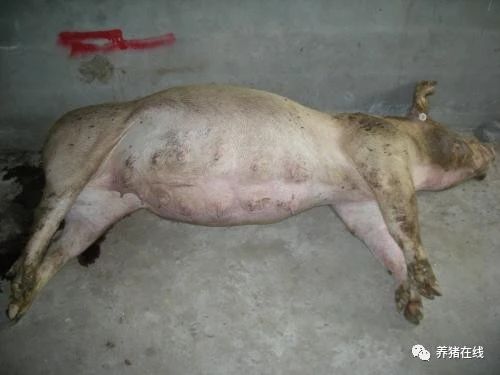
We all know that summer is a high-incidence period for many pig farm diseases, and sow bloat is one of the more seriously harmful ones. Sow bloat, also called "sow sudden death syndrome," has an extremely high mortality rate, and pigs at different stages can all develop the disease.
This disease has a sudden onset and a short course. The main symptom is that the sick pig suddenly develops a bloated belly, so the optimaltreatmentwindow is often missed.
So why do sows develop bloat? And how should it beprevented and treated? Let's take a look together below.
I. Causes of Sow Bloat
1. Gastrointestinal digestive tract:On one hand, it is intestinal disorder caused by irritation; for example, ice-cold water and moldy feed can easily cause digestive disorders in pigs, leading to bloat.On the other hand, when sows eat too much dry feed while drinking insufficient water, and gastric motility is insufficient, anaerobic bacteria multiply rapidly and produce large amounts of harmful gas, causing gastrointestinal bloating, compressing the heart and lungs, leading to circulatory disturbance and causing the sick pig to suffocate to death.2. Clostridium perfringens:It is mainly caused by Clostridium welchii types A and D, as well as the type C bacterium that causes piglet red diarrhea.When feed, climate, environment and other factors undergo sudden changes, the pigs' resistance declines and the intestinal flora becomes imbalanced, causing the Clostridium welchii originally present in the intestine to multiply in large numbers.3. Intestinal torsion:Gastroenteritis or colitis, peritonitis, intestinal flora imbalance caused by improper diet, hypokalemia caused by water and electrolyte retention, vitamin B1 deficiency, mechanical intestinal obstruction, etc., lead to gastrointestinal dysfunction and cause gastric torsion.
II. Clinical Manifestations of Sow Bloat
Clinical changes of Clostridium perfringens:Externally, it appears as generalized pallor, the corners of the mouth open, red or white foam flowing from the mouth and nose, extreme abdominal distension, and eversion of the anus.In mild cases, at the initial stage of onset there is no eating, often with vomiting, black feces that look like cow dung and are dark red internally; in severe cases it turns to a sauce-like color.In individual cases, necrotic chorionic material about one chi or more in length is discharged from the anus, bleeding is relatively severe, the abdomen also gradually enlarges, the corners of the mouth open, drooling or foam appears, and the animal is depressed and restless, with body temperature slightly elevated or normal, and the skin gradually turns white.If not treated in time, it manifests as difficulty breathing, ataxia, mania, extreme abdominal distension, and death from exhaustion after the skin becomes cyanotic; after death the skin is pale, and bloody watery foam flows from the mouth and nose.Necropsy changes of intestinal torsion:The gastrointestinal tract can be seen to be filled with gas, with gastric torsion or dilation, and the gastric mucosa shows relatively severe hemorrhagic inflammation; gastric ulcers can be seen in some cases;The mesentery is congested, and the small intestine shows catarrhal inflammation of varying severity;The heart, liver, lungs, kidneys, lymph nodes and other organs are basically normal;The spleen is displaced and enlarged several times.Gastric torsion is a characteristic lesion of this disease.
III.TreatmentMethods for Sow Bloat
1. Bloat caused by indigestion(1) Add artificial salt, yeast tablets, baking soda, or some microecological preparations to the feed.(2) Intramuscular injection of bethanechol chloride to regulate the gastrointestinal tract.(3) In terms of management, measures such as increasing the sow's exercise and increasing water intake are needed.2. Bloat caused by Clostridium perfringensPrinciples: release gas, eliminate foam and stop fermentation, unblock the intestines and promote bowel movement, strengthen the heart and supplement fluids.(1) Oral dimethicone tablets, 50-75 mg each time, 3 times a day, used to eliminate foam in the gastrointestinal tract; at the same time, medical charcoal tablets can also be taken to enhance the speed of gas expulsion, so as to achieve the purpose of relieving symptoms.(2) For affected pigs, intramuscular injection of ceftiofur sodium 30 mg/kg, along with intramuscular injection of vitamin C 10 ml + vitamin B 10 ml, twice a day.(3) For unaffected groups, mix 70% amoxicillin 400 g, 10% doxycycline 2000 g, electrolyte multivitamins 500 g, and glucose powder 2000 g into 1 t of feed, and feed continuously for 7 days.3. Bloat caused by intestinal torsion(1) Feeding management should be strengthened for piglets, and irritating feed should not be fed; mild intussusception may recover on its own; severe intussusception often causes death within a few hours.(2) Chronic cases are often accompanied by intestinal wall necrosis, with a poor prognosis; surgical reduction after early diagnosis offers hope of a cure.
IV. Preventive Measures for Sow Bloat
1. Pregnant and lactating sows must be fed strictly by time period, by meal, and in fixed amounts to prevent overeating and indigestion.2. The pig house must be kept clean and hygienic, and feed storage must be done well to prevent mold.3. Appropriately raise the temperature of the gestation house in winter, and try to avoid irritation of the sow's gastrointestinal tract from drinking water and moldy feed, thereby avoiding gastrointestinal bloating.4. Increase exercise, feed more green fodder, promote gastrointestinal motility, and reduce the growth of anaerobic bacteria.5. Add vitamins and probiotics to improve gastrointestinal digestive capacity and stress resistance.6. In winter and spring or when temperature changes frequently, add metronidazole to pig feed, 1000-2500 g/ton, and feed continuously for 7 days; seasonal prevention with amoxicillin + doxycycline.The above are the causes of sow bloat and the prevention methods. In the process of raising pigs, we must reasonably match the feed, provide clean and sufficient drinking water, appropriately increase the sow's exercise, and can add some vitamins and probiotics to the feed to maintain the health of the sow's digestive system.