How much do you know about the key points for the prevention and treatment of swine infectious rhinitis?
Recently, some friends called or sent WeChat messages asking me, saying that recently sneezing, nosebleeds and a "sniffling" sound when pigs breathe have been found in the pig herd. The pigs' feed intake, spirits, and urine and feces showed little change. Especially for the piglets in the farrowing house, they said that piglets are worth so much now. There must not be any mishap. They asked what was going on. Based on my many years of practical experience, let me discuss with everyone my understanding of this disease.
Infectious atrophic rhinitis
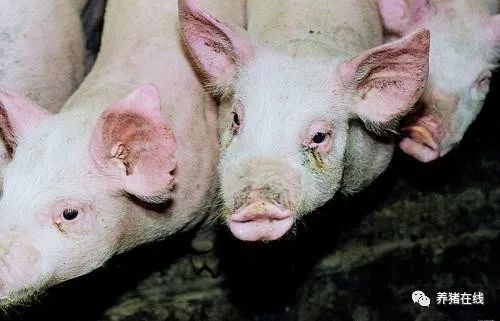
In medicine, this disease is called swine infectious atrophic rhinitis. The pathogen is a chronic respiratory infectious disease caused by toxigenic Pasteurella multocida and Bordetella bronchiseptica. It manifests as sneezing; in the early stage, a transparent mucus-like fluid flows from the nose, and in the later stage, purulent secretions flow out, and in severe cases nosebleeds occur.Another notable feature of this disease is inspiratory dyspnea.Piglets in the farrowing house, weaned piglets and fattening pigs may all develop the disease, but sows do not show clinical symptoms.
Every year after the Spring Festival is the peak period for this disease. After a pig farm is infected with this disease, if there are no good prevention and control measures, this disease can recur in the pig farm over the long term. For the vast number of breeding friends, this is a rather headache-inducing matter.
This disease can cause illness in pigs of all ages, most commonly in pigs from after weaning to 5 months of age. Piglets in the farrowing house show sporadic cases, and adult pigs infected show no visible symptoms and become carriers.After the pathogen is discharged from the nasal secretions of sick pigs and carrier pigs, it is transmitted through the respiratory tract via airborne droplets. Especially when the sow is sick, it is easiest to transmit this disease to the piglets.
Poor feeding and management, damp pig houses, and lack of protein, minerals and vitamins in the feed make it easier to promote the occurrence of this disease. Although this disease spreads relatively slowly within the pig herd, the losses it causes to the pig farm are still very severe.
This disease first occurs at one week of age. Affected piglets show sneezing, with a small amount of serous or purulent secretion flowing from the nostrils, sometimes streaked with blood. In severe cases, bleeding is caused by damage to the nasal mucosa from the force of sneezing. Due to rhinitis stimulating the mucosa, affected pigs appear restless, such as shaking the head, rooting the ground, rubbing the nose, and frequently tearing.
Some are even unable to eat. Most sick pigs have generally normal body temperature, spirits, appetite and feces. Even when symptoms are obvious, the body temperature does not necessarily rise. Very few sick pigs develop pneumonia. If secondary to mycoplasmal pneumonia, blue ear disease, Haemophilus parasuis infection, etc., the condition can be aggravated, and in severe cases it can lead to death.
Intramuscular injection of compound sulfadiazine.
(1) Intramuscular injection at 15 mg per kg.
(2) Long-acting oxytetracycline, intramuscular injection at 20,000 units per kg of body weight.
(3) Penicillin at 30,000 units per kg of body weight.
(4) Ampicillin at 20,000 units per kg of body weight.
(5) Ceftiofur sodium at 10,000 to 0.5 million units per kg of body weight by intramuscular injection.
When using the above methods, if the pig develops an elevated body temperature, appropriate antipyretic and analgesic drugs should be used in combination.
(6) For sneezing in piglets, kanamycin can be used. Mix dexamethasone and epinephrine hydrochloride in a 1:1 ratio and apply as nasal drops, 0.5 ml per nostril, once a day, for 2 to 3 consecutive days.
(7) Dissolve one vial of 1 million units of streptomycin sulfate with 5 ml of water for injection, or use "nasal-eye cleanser" liquid. Drop it into the nostrils; it can be used several times depending on the condition.
(8) You can also mash 400 grams of purple-skin garlic and extract the juice, add 600 ml of normal saline and 250 ml of sesame oil, mix and shake well, and apply it to the pig's nasal mucosa with a medicated cotton swab.
(9) Prepare 1% warm saline and put it into a container. Keep the water depth above 20 cm, put bait into the saline, and let the pig's head extend into the warm saline. Keep letting the warm saline enter the pig's nostrils 3 to 5 times a day; it can heal in 3 to 5 days.
In the peak season of this disease, medicate the whole herd. Per ton of feed, you can add 1. Tylosin 100 grams plus sulfadimidine sodium 100 grams. 2. Doxycycline 150 grams. Use continuously for 7 to 14 days according to the severity of the condition!
In the peak season of the disease, in order to control transmission from sows to piglets, preventive drugs can be fed to sows in the last month of gestation. Commonly used are sulfadiazine or oxytetracycline or tylosin or doxycycline mixed into the feed, used continuously for seven days. Within three weeks of birth, suckling piglets should preferably be injected with or sprayed nasally with sensitive antibiotics. Sows can also be vaccinated with atrophic rhinitis vaccine to increase maternal antibody titers, which has a very good protective effect on piglets in the farrowing house and weaned piglets.
There are two immunization schedules that everyone can flexibly choose according to their own situation. The first schedule is to vaccinate the sow at two months and one month before farrowing respectively. The second schedule is that after the sow has received basic immunization, universal vaccination is carried out three times a year.
If atrophic rhinitis frequently occurs in piglets in the farrowing house and in weaned piglets on the pig farm, vaccination of the sows should first be considered, because handling it this way is relatively easier. Most of the time, the outbreak can be controlled without injecting the piglets. In terms of management, the temperature of the pens should be maintained. The pens should be kept dry. Scientific disinfection should be carried out. Insulation and ventilation should be coordinated.
The author has written down his own experience for everyone's reference only. For any shortcomings, friends are welcome to offer valuable opinions. If you think this article makes sense and is helpful to everyone, please forward it to your friends. Helping others brings happiness to yourself.