What are the medicinal effects and types of the kapok tree?
I. What medicinal effects does the kapok tree have?
1. Removing damp toxins: In herbal teas and flower teas, kapok is considered a fairly good ingredient, and drinking it properly can help remove damp toxins. When drinking it, use fresh flowers and add an appropriate amount of white sugar to boil in water. In addition, it can also be used to simmer crucian carp soup, which is also good for the body after eating.
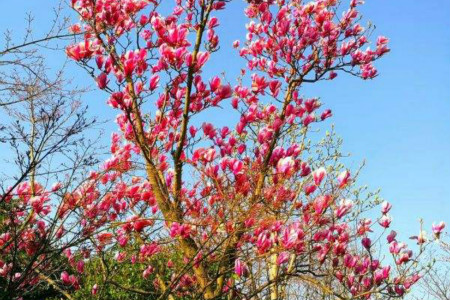
2. Regulating the stomach and intestines: People with poor stomach and intestinal function can also use kapok flowers for treatment. This is because it can improve a person's digestive capacity and promote better nutrient absorption. When eating it, kapok can be used to make porridge, with an appropriate amount of honey, dried tangerine peel, and japonica rice added, and the effect will be better.
3. Clearing heat and detoxifying: It is cool in nature and has the effect of clearing heat and detoxifying. When using it, it can be eaten together with white chrysanthemum and honeysuckle, and the effect will be more obvious. In addition, if someone suffers heatstroke during high summer temperatures, it can also be drunk, with a relatively good effect.
4. Improving immunity: It has the effect of improving human immunity. After immunity is improved, resistance to various diseases becomes stronger. In addition, it can also be put together with mushrooms to make soup, which also has a certain resistance effect against cancer.
II. How many types of kapok are there?
There are relatively many types of kapok, and more than 200 have now been discovered in the world, but most of them only bloom and do not bear fruit. Common varieties include large-fruited kapok, large-bellied kapok, long-fruited kapok, tortoise-shell kapok, beautiful tree, ceiba kapok, green-barked kapok, African kapok, and so on.