Don't throw away sunflower seed shells and peanut shells as trash; they work especially well for growing flowers.
Many people habitually eat nuts, and most of them just throw the shells away, but those of you who grow flowers at home should never throw them out. Using nut shells to grow flowers will absolutely bring unexpected surprises. Here is a detailed introduction for everyone, so those who like it should hurry up and learn.
Sunflower seed shells
First collect the sunflower seed shells, then soak them in clean water. After a while, fish the shells out and put them under the sun to bake. Once dried, spread them evenly on top of the soil, not too thick, just a thin layer, and they can help retain water and keep in moisture. You can also place the sunflower seed shells at the bottom of the pot, which not only prevents waterlogging but also provides nutrients to the plants.
Peanut shells
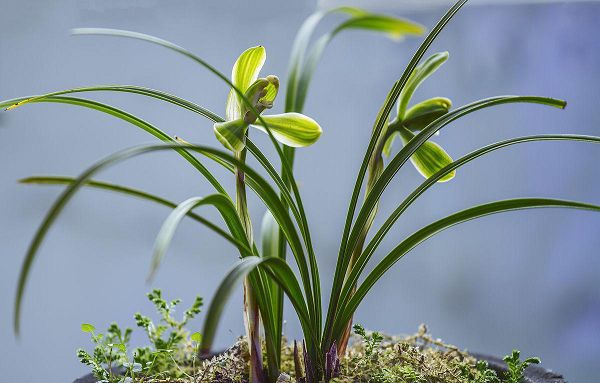
If someone at home grows orchids, peanut shells can be used to grow them. First collect the peanut shells, then soak them in clean water, fish them out and put them under the sun to bake. Basically, when they are half-dry, put them into a clean plastic bag, then add an appropriate amount of brown sugar water and seal it up. After about a month, they will have decomposed successfully. Then add some soil, mix well, and use it to grow orchids.
Walnut shells
Collect the walnut shells, then wash them clean, put them under the sun to disinfect them, then crush the walnut shells and mix them into the soil. This can increase the soil's air permeability and effectively prevent root rot. You can also put the walnut shells at the bottom of the pot without crushing them, which can effectively prevent water from accumulating in the pot and make the plants grow more vigorously.
Longan shells
First collect the longan shells, then put them in a pan and stir-fry until crushed; frying until the shells become crisp is enough. Then let them cool, directly crush them, and after crushing, add some soil, mix well, and use it directly to grow flowers. This can effectively increase air permeability, prevent root rot, and it will also slowly release nutrients, making the plants grow more and more vigorously.