How to care for a clivia in winter? The watering method is key
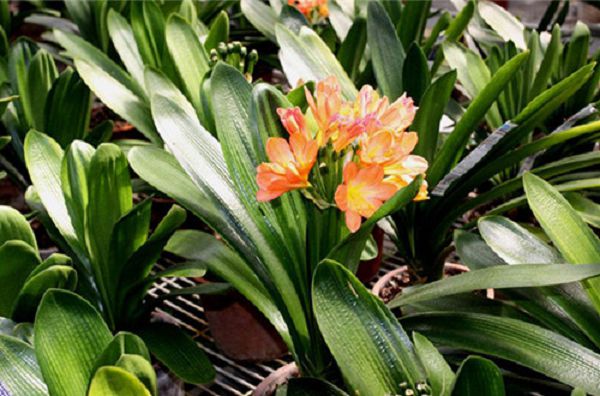
Many flower lovers keep clivias at home. The clivia is a flower that is easy to keep alive but hard to keep well, especially in the harsh environment of winter, when it is even harder to grow well. In terms of winter care, watering is the key. So how do you care for a clivia in winter? How do you water it? Below, the Chuzhan editor introduces the winter care and watering methods for clivias.
I. Winter care methods for clivias
1. Fertilizing
Winter is precisely the growing season for clivias, and they need more nutrients, so applying winter fertilizer well is very important. Before moving them indoors, apply cooked soybeans, fried sesame seeds or compound fertilizer. After moving them indoors, fertilize once every 15~20 days, and you can water the roots with a soaking solution of animal manure. In short, fertilizing must adhere to one principle: "fully rotted and lightly applied," to avoid fertilizer damage.
2. Keeping warm
Clivias grow well in a growing environment of 15~25°C, stop growing at 10°C, and suffer freeze damage at 0°C. Therefore, in winter you must take good insulation measures to prevent the plant from freezing. After the flower scape emerges, maintain the temperature at 18°C; if the temperature is too high, the leaves will become thin and slender, the flowers will be small, and the flowering period will be short; if the temperature is below 18°C, the flower stem will be shorter, the plant will bloom early, and the ornamental effect will be affected.
3. Light
Clivias like scattered light, and winter is just right. At the beginning of winter, move the flower pot to a bright indoor spot. Especially before flowering, ensure sufficient light to help bud formation. After flowering, lower the temperature appropriately and keep ventilation good to help prolong the flowering period.
II. Winter watering methods for clivias
1. When the temperature drops in winter, if the room temperature is below 10°C, the clivia will enter a dormant state. At this time it does not need much water. You can appropriately extend watering to about once every 7 days, and water when the weather is good. Do not water too much; not breaking the clivia's dormant state is instead beneficial for it to successfully resist the cold and overwinter. If the temperature is excessive, pay attention to keeping it warm.
2. In southern China or in heated areas of northern China, where room temperature is high, clivias basically do not go dormant. You can water once every 3-5 days according to actual conditions. It is best to keep the potting soil slightly dry. In heated areas, indoor air is dry and water evaporates quickly, so instead you should observe the soil condition frequently and grasp the timing of watering in time.
3. When watering clivias, it should be "thorough" but not "leaking," to prevent nutrient loss. Too much water also easily causes root rot. But you must not be afraid to water because you fear watering too much; if watering is not thorough, the potting soil is easily wet on top and dry at the bottom, and the roots lack water.
4. In winter, do not use cold water to water clivias. The water temperature should be close to room temperature. There is no need to heat it; just leave the water indoors for a while.
5. In winter, if the clivia is already in the flower scape emergence stage, do not use a spray bottle to spray water. The water droplets sprayed out are hard to control, so as to prevent the flower pistil from being moist for a long time and rotting.
Tips
Healthy leaves are the foundation of flowering. To keep the leaves healthy, keep the leaf surface clean. The specific methods are as follows:
1. Clean the leaves, spray the leaves with clean water, and keep the leaves clean.
2. Spray fungicide in time to prevent the occurrence of leaf spot disease.