What soil is best for repotting a clivia? Let me show you the correct soil mix
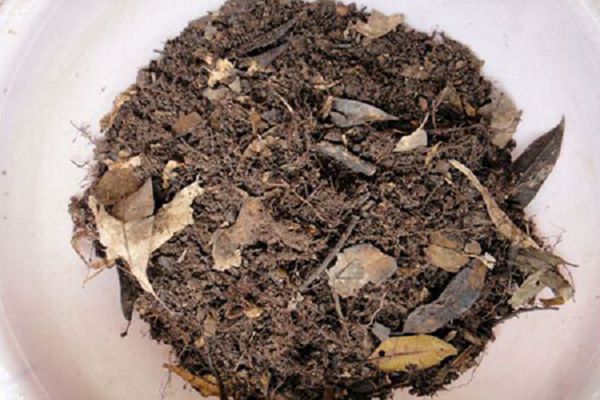
When repotting a clivia, you can buy a special potting soil for it, or you can make your own mix by adding charcoal ash and river sand to leaf mold. This kind of soil contains nutrients and has good air permeability and drainage. When repotting, take the plant out of its original pot, shake off the old soil, hold it upright and plant it into the flower pot, then fill in the soil.
1. What soil to use
When repotting, you can buy a special potting soil, or you can choose some materials at home that suit its growth and mix them yourself.
1. Leaf mold: Leaf mold is mixed with lots of fallen leaves and weeds, as well as some animal droppings. This type of soil contains relatively more nutrients, and its texture is relatively loose, not sticky or heavy, making it very suitable as a growing soil for it.
2. Charcoal ash: Charcoal ash has very good air permeability, and its drainage effect is not bad either. It also contains some incompletely burned material that can provide nutrients to the plant, and charcoal ash is a very eco-friendly choice, which can be counted as reusing waste.
3. River sand: River sand has very good drainage performance, so you can add some when mixing.
2. Repotting steps
1. Take it out of the original flower pot, and be sure not to damage the plant's root system. Shake off the old soil, and trim the old roots on the sides a bit.
2. Take out the soil you mixed earlier, hold the plant upright with your hand and plant it into the flower pot, fill in soil around it, and be sure to press it down firmly.