What to do when a Kalanchoe goes black? A few tricks to bring it back to life
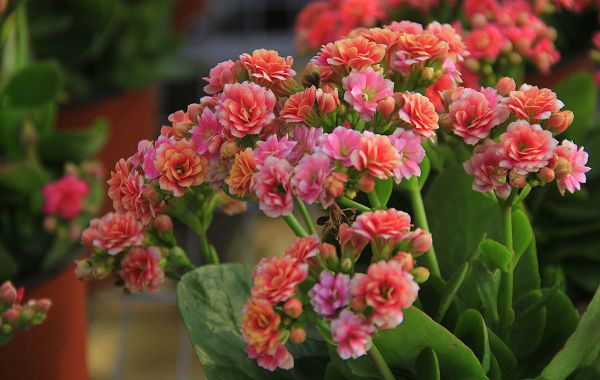
Kalanchoe (Kalanchoe blossfeldiana) is one of the most common potted plants in the home, with rather thick leaves, a deep green and glossy leaf color, graceful flower shapes and rather bright flower colors, giving it high ornamental value. But during the process of growing it, for unknown reasons, the stem sometimes turns black. Below is an analysis of the situation and how to handle it.
Watering
If the main stem of the Kalanchoe is intact but the side branches have rotted, then it is basically because too much watering kept it from breathing properly, which caused the rot. So we must immediately stop watering, move it to a well-ventilated environment, then cut off the rotted branches and disinfect them.
Fertilizing
When fertilizing a Kalanchoe, if too much fertilizer is applied, it easily causes fertilizer burn, which leads to stem rot. Then you need to stop fertilizing immediately and water it more, watering until the water flows out, so that the nutrients will flow out with the water.
Pests and diseases
If a Kalanchoe is kept in a poorly ventilated environment in summer, the stem easily develops black rot. So you need to keep it in a well-ventilated place, promptly prune away all diseased leaves and rotted branches, and you can also spray a fungicide once every half a month, which will achieve the effect of preventing pests and diseases.