Ranking of the star plants with the best air-purifying ability
Air quality is drawing more and more attention these days, and many people also choose to grow some green plants at home to improve our home environment. So here comes the question: what kind of plants have strong purifying ability? Today I will recommend several kinds of green plants with super strong purifying ability.
1. Spider plant
The spider plant is a very common green plant in the home. It can carry out photosynthesis even under weak light conditions, and its ability to absorb toxic gases is also very strong. In a small room, one pot of spider plant is equivalent to a small air purifier, able to absorb toxic substances such as formaldehyde and benzene from the air, and it can also degrade relatively stable toxic substances like nicotine.
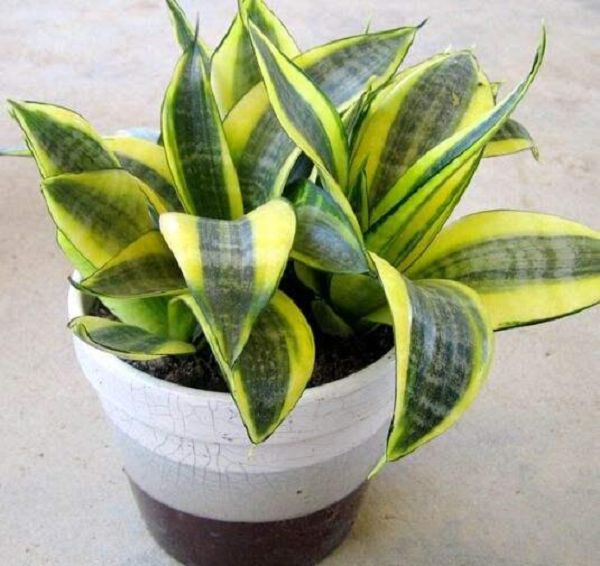
2. Snake plant
The snake plant has tenacious vitality and is very tolerant of shade and drought. It is not strict about soil requirements and is very easy to keep alive. Generally, in an indoor space of about 10 sq m, keeping two pots of snake plant can purify the toxic gases indoors. The snake plant can also release oxygen at night, so it is also very suitable for placing in the bedroom.
3. Aloe
Aloe is called a purification expert. It can absorb toxic substances such as formaldehyde, carbon dioxide and carbon monoxide. At the same time, it can also show the degree of indoor air pollution. If the concentration of toxic substances in the indoor air is too high, the leaves of the aloe are prone to developing spots. At this time, we only need to keep a few more pots of aloe, and it can slowly recover.
4. Ivy
Ivy is truly a star plant for purifying air. In newly renovated homes, it is highly recommended to place several pots of ivy. Ivy can purify some bacteria and other toxic gases. Its leaves have tiny stomata, which can adsorb some dust from the air.
5. Clivia
Clivia can carry out photosynthesis under extremely weak light, and the carbon dioxide it releases at night is very little, almost negligible. Generally, one mature clivia can absorb one liter of air and release oxygen in a day and night. The leaves of clivia are broad and thick, and its transpiration volume is relatively large. It can also adsorb dust from the air, so it is very suitable for indoor care.