Feed and Nutrition Key Points for Early Care of Nursery Pigs
Do you know all about feed and nutrition for early care of nursery pigs?
Because suckling piglets are weaned, they lose their mother's protection and source of milk, and coupled with disturbances such as pen separation and mixing into groups, weaned piglets are in a restless state of stress. In addition, when piglets are weaned at 4 weeks of age, their digestive system and other systems are not yet fully developed, and after weaning they need a period of adjustment and adaptation. The stress of the weaning period greatly hinders the development of the digestive and absorptive systems, so good nutritional care is crucial.
The following mainly explains the early nutritional care of nursery piglets from five aspects.
1. Feed attraction and intestinal development
The purpose of early supplementary feeding of suckling piglets is for the piglets to adapt to the feed environment as quickly as possible after weaning, become familiar with the shape and taste of the feed, and increase feed intake after weaning.
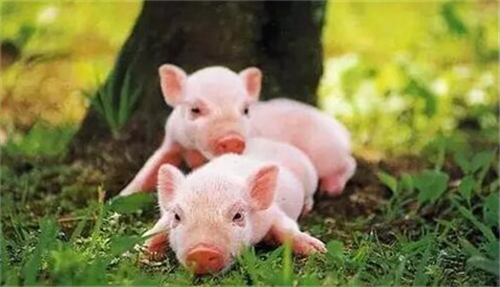
Piglets' stomachs begin to produce a small amount of hydrochloric acid and digestive enzymes at around 14 days of age. Therefore, about 2 weeks after birth, a round disc-style feed trough can be used, adding a small amount of starter feed, so they can slowly learn to eat while playing.
Once they eat the starter feed, the acid and enzymes produced in the stomach increase rapidly, speeding up the breakdown and absorption of feed, and when there is acid in the stomach, harmful bacteria will not multiply in large numbers.
⟧ If piglets quickly adapt to weaning and eat feed, the food in the stomach quickly stimulates the secretion of new digestive juices, and the weaned pigs will then normally digest food, absorb nutrients, and adapt to the nursery barn environment.
2. Group effect
Pigs are all social animals, accustomed to the feeding method in which the sow lets down milk centrally, like to compete and grab, and often imitate the behavior of pigs in the same pen, including eating, sleeping, and excreting.
Therefore, after pigs arrive at the nursery barn, conditions should be created so they can eat at the same time. When they hear or see other pigs rooting feed out of the trough, they will be enticed, thereby increasing feed intake.
3. Feeding frequency and form
After birth, the sow calls the piglets to suckle about every 1 h, but once weaned, the piglets must leave the sow, live independently, and find feed and water on their own, so early training is essential. In the initial stage, the suckling-period habit should also be simulated, feeding once every 1 h (later gradually increasing the interval), and tapping the trough to form a conditioned reflex and develop good behavioral habits.
4. Feed freshness
Because piglets have just been weaned, feed should follow the principle of small amounts and multiple times, ensuring that pigs can eat feed at any time while also avoiding waste.
If a large amount of feed is put into the trough at one time, the saliva flowing from the piglets' mouths when eating will cause the feed to clump and become moldy, affecting feed freshness and causing intestinal diseases in piglets.