How to care for a newly bought clivia? Disinfect the roots, replant, then give appropriate light and watering
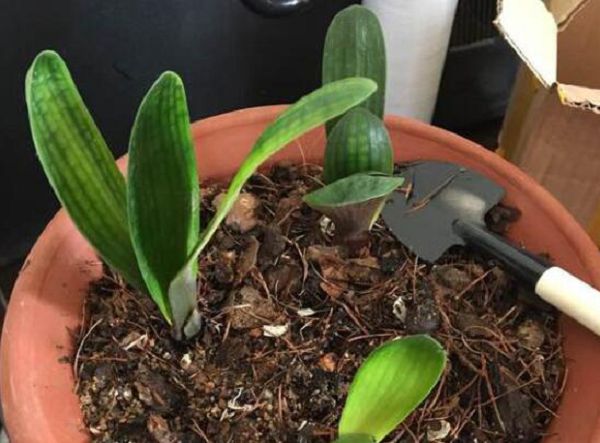
Clivia is one of the plants with an elegant shape that is very suitable for viewing. We often buy it on impulse because of its appearance, and if we do not know how to care for a newly bought clivia, we will certainly ruin it. In fact, as long as you promptly treat the seedlings with potassium permanganate solution, replant them, and then choose a suitable loose soil for them, after appropriate light and watering they will quickly establish.
I. Care methods for a newly bought clivia 1. Inspect the plant
A newly bought clivia needs to be inspected before you can decide how to grow it. Those bought from a plant market are fine, but especially with some seedlings bought online, you do not know whether the plant is healthy. Dig it out of the soil and check whether there are any rotten or diseased roots; once found, deal with them immediately.
2. Disinfect and sterilize
Many flower lovers do not know how to care for a newly bought clivia and just grow it directly after buying it. This is not safe. We need to disinfect the plant first, especially those roots where diseased or rotten parts have been cut off; they must be soaked in diluted potassium permanganate solution or carbendazim. After soaking for 5 minutes, apply charcoal powder to any wounds; those without wounds can be planted.
3. Change the pot and soil
The pot soil that comes with a bought clivia can generally be used, but if you want the clivia to grow more vigorously, you should change to a more fertile soil. Mix leaf mold with peat soil and pine needles in a 4:4:2 ratio.
4. Planting
Plant the disinfected clivia into the new soil. Dig a small hole, bury the roots of the clivia directly in the soil, then press the soil firm with your fingers. After watering the soil thoroughly, place it in a cool environment and do not water for 3 days, waiting for the plant to slowly recover from the repotting period; then it can be moved to a sunny spot indoors.
II. Precautions for caring for a newly bought clivia 1. Appropriate light
Clivia is very sensitive to sunlight, and only appropriate light will make it grow more luxuriantly. Too much light will scorch the plant, while too little light will cause the plant to wilt and slow its growth. It is best to place it on a south-facing balcony at home with good light, so it receives an appropriate amount of light as the sun rises and sets. Especially in summer, put it in a scattered-light area indoors to avoid direct sunlight.
2. Appropriate watering
Clivia should not be watered too much or too little. Too much water will cause root rot, while too little will cause the leaves to turn yellow. Follow the principle of watering when dry and stopping when wet: in spring and autumn, water once every 3-5 days; in summer, water once every 1-2 days; in winter, water once every 7 days.
3. Moderate temperature
Clivia can neither take heat nor likes cold environments. It is best if its growing temperature can be kept between 15-22°C. In summer, when the temperature exceeds 32°C, it needs shading, and it should also be placed in a cool environment to lower the temperature. In winter, the temperature must never be below 5°C, otherwise it will freeze to death.
4. Fertilizing
Fertilizing clivia must be done in moderation; it should not be too concentrated or too dilute. Concentrated fertilizer will cause root burn and yellow leaves in the plant. You only need to buy phosphorus fertilizer, dilute it with water, and then pour it at the roots of the clivia, fertilizing once every 10-15 days. When fertilizing before the flowering period, applying some phosphorus and potassium fertilizer will also make its flowers bloom more brightly.