Orchid "covering old pseudobulbs" propagation method: wrap in water moss and insert into a sand pot, then plant at will
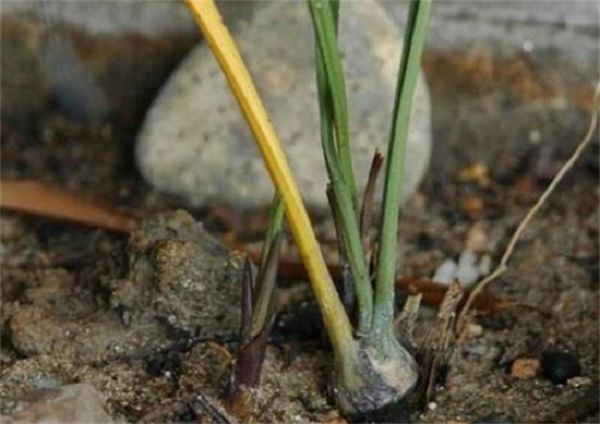
Orchids often appear in our lives, and some important occasions need them for decoration; they are one of the Four Gentlemen among flowers. They hold a very high status among flowers, and the whole plant can be used as medicine, having certain medicinal value and very high ornamental value. Growing orchids requires a certain level of skill, and their propagation method is also very special. Among the people, there is a method called "covering old pseudobulbs" propagation, which is said to be simple and have a high success rate. Today, we will introduce the orchid "covering old pseudobulbs" propagation method.
I. Orchid "covering old pseudobulbs" propagation 1. Water moss covering method
Among orchid propagation methods, there is no such method as covering old pseudobulbs. The "covering old pseudobulbs" introduced here is mainly a method that flower enthusiasts summarized and figured out on their own. It is said that this propagation method is also fast. First, let's look at the water moss covering method: wrap the old pseudobulb with water moss, which is both breathable and drainage-friendly, then plant it into the soil, keep it moist, and wait for it to sprout.
2. Sand pot covering method
The orchid sand pot "covering old pseudobulbs" method is relatively simple. Whether the old pseudobulb has leaves or not, insert it directly into the sand pot, leave the stem generally outside the sand to keep breathing, keep the pot soil moist, place it in a cool place, and the surrounding environment should be humid. Generally, if the old pseudobulb itself has no problems, it will sprout.
3. Casual covering method
Let's look at the most casual of the orchid "covering old pseudobulbs" propagation methods. We will name it the casual method, and it is generally carried out in spring. Prepare small-particle growing medium, plant the old pseudobulb into it, keep it in a moist and humid environment, place it in a cool place, and wait for it to sprout and grow young seedlings.
II. Other orchid propagation methods 1. Division propagation
Orchid division propagation is generally carried out in spring. Gently pull the orchid plant out of the flower pot, remove the soil, and do not damage the roots. Select a thick stem, preferably with more than 5 pseudobulbs, cut it off from the main root with a sharp knife, dry the wound, plant it into a prepared flower pot, water it thoroughly, first place it in a cool place to recover, and after a few days of acclimation, it can be cared for normally.
2. Seed propagation
The orchid seed propagation method is rarely used because orchid seeds almost have no embryos, and it is very difficult for them to germinate after sowing. A few have incompletely developed embryos, but the survival rate is very low, so seed propagation is generally not recommended.
3. Tissue culture propagation
Large-scale orchid propagation generally uses the tissue culture method. With modern advanced technology, scientific cultivation and propagation can be carried out. Tissue culture propagation is suitable for large-scale propagation, that is, placing orchid new shoots in a culture solution. In about a week, they can take root. After rooting, they can be transplanted into water for cultivation, and when they grow larger, they can be transplanted into soil for planting.
III. The value of orchids 1. Ornamental value
Orchids are one of the Four Gentlemen among flowers. The floral fragrance is delicate, and the flower colors are elegant. Many important occasions cannot do without them. There are many varieties, suitable for indoor cultivation and decoration, and the price of orchids is relatively high. Therefore, they have very high ornamental and economic value.
2. Medicinal value
The whole orchid plant can be used as medicine. It can clear heat and detoxify, moisten the lungs, and promote urination. Orchids appear in many gynecological prescriptions; the roots of orchids can treat lung diseases and can also relieve sprains; if the roots of orchids are decocted into soup, they can treat whooping cough and so on.