Analysis of Why Clivia Does Not Set Seed After Flowering
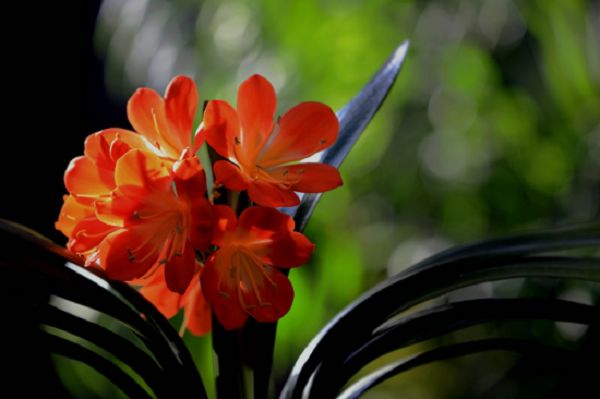
The flower of the clivia (Clivia miniata) is an umbel made up of dozens of small funnel-shaped florets clustered together. Each floret is a complete flower with both pistil and stamens. One pistil extends in the center, while 6 shorter stamens surround it, so the pollen on the stamens does not easily fall naturally onto the pistil's stigma, causing clivia to fail to set seed after flowering and to drop fruit early.
How can you obtain clivia seeds that are plump, have strong germination ability, and are numerous? This requires artificial assisted pollination. When each floret is in full bloom, the pistil and stamens are already mature. When pollinating by hand, you can use a dry, soft brush to pick up the golden-yellow pollen from the stamens and gently tap it onto the pistil's stigma, then repeat pollination 2 more times on the second and third days. You can also use tweezers to remove the stamens and directly touch the pollen to the stigma; the pollination effect is even better. If different varieties of clivia bloom at the same time, artificial crossbreeding can also be carried out to cultivate new varieties. As soon as the flower used as the female parent opens, promptly remove the stamens' anthers with tweezers. Then pick up pollen from the selected male parent flower for pollination. After pollination, a paper bag should be put on and a label recorded. Clivia seeds take a long time to mature, usually requiring 8 to 10 months. When the seed coat gradually changes from dark green to red or purplish red, it is mature. With many flowers and good pollination, each plant can yield 70 to 80 seeds.