How to grow orchids? Reasonable watering is the key to growing orchids well
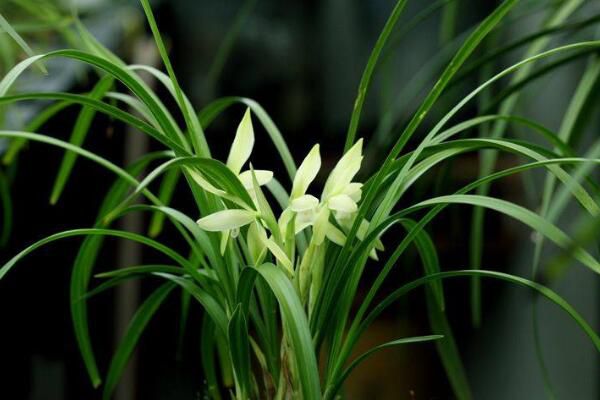
Orchids are herbaceous plants, and people generally grow them at home as potted ornamental plants. Because of the literary quality of their name and the elegant nature of the plants, they are very suitable for placement in homes with Chinese-style decor. How should orchids be cared for day to day? Growing orchids is actually not very difficult.
How to grow orchids
1. Choice of potting soil
When choosing soil for growing them, of course the main priority is good air permeability and water permeability; otherwise, when the soil cakes together later, repotting becomes very difficult. According to the experience of veteran flower growers, slightly acidic soil is enough to grow orchids well. If the flower pots are clay pots or Yixing clay pots, the effect will be very good, because they greatly help with air permeability for orchids.
2. Reasonable watering
The key to growing orchids well is reasonable watering; watering is crucial to the growth and development of orchids. Ordinary tap water cannot be used for watering; while keeping the water clean, it is best if it is slightly acidic. When first potting them, water thoroughly once, and afterward just keep the potting soil consistently moist. Normally, you can spray the leaves to help raise air humidity.
3. Fertilizer application
If you have not figured out watering, then do not even think about fertilizing. For orchid growth, fertilizing is the icing on the cake rather than timely help in the snow. Apply organic fertilizer once every ten days, but do not rely purely on fertilizing to grow orchids; sometimes doing a good job with base fertilizer during repotting is also very important. In general, use less fertilizer and dilute fertilizer, and apply thin fertilizer frequently.
4. Temperature requirements
The most suitable temperature for orchid growth is between 16°C and 24°C. In summer, when the temperature is relatively hot, 30°C is a threshold; above this temperature, cooling measures must be taken. In winter, when the temperature drops sharply, it must still remain above 10°C, otherwise the plants will enter dormancy too early and suffer cold damage that harms the plants. No matter what, a ventilated environment must be maintained.
5. Light requirements
Orchids are shade-loving plants. It is recommended not to leave them under strong light for long periods. Except in winter, when they can face sunlight directly, in spring, summer and autumn certain shading and protective measures are needed. The recommended placement is on a balcony with curtains or under the eaves, so that direct sunlight can be avoided while scattered light can still be absorbed.