When is the best time to repot a clivia? Get the timing right to fill it with flower buds
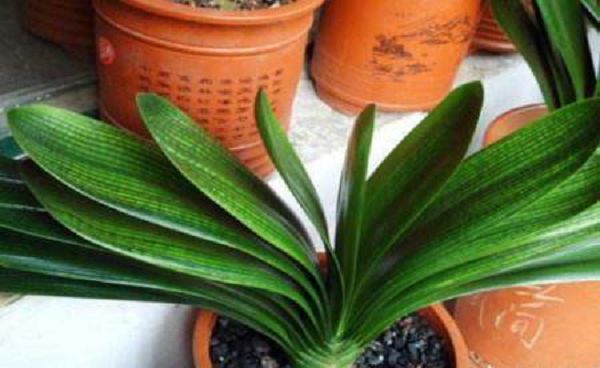
Many friends have grown clivia at home. Because the clivia has a relatively long growth cycle, it takes three or four years from sowing to blooming. For clivia kept at home, it is usually repotted once every one or two years. This replenishes nutrients for the potted plant and lets the root system spread out fully, so when is the best time to repot?
Generally, repotting a clivia once a year is enough, and the best time to repot is in autumn; spring also works.
In spring, after the clivia blooms, it has used up a large amount of nutrients. Spring is quite suitable for its growth, and after repotting it can recover quickly and grow quickly. Once the roots have grown well and the plant is robust, it enters the summer dormancy and can get through the summer safely.
When repotting a clivia, the soil can be leaf mold mixed with granular soil; the looser and more breathable the soil, the better. The roots of the clivia are all fleshy roots and are very afraid of waterlogging, which easily causes root rot.
Summer is the dormant period for the clivia, and it should be kept in a shaded, ventilated place. Generally, after the summer, the clivia recovers from its slow-growth season and begins to grow vigorously. At this time it needs to use up a large amount of nutrients, because it is starting to develop flower buds and is about to bloom. It needs a sufficient supply of nutrients, and this is the best time to repot it. With enough fertilizer, the flower scape it grows will bloom well.
Repotting in autumn helps the clivia accumulate nutrients and supply them to the flower buds, so the best time to repot should be in autumn. Most flower greenhouses repot their clivias in autumn.
To grow a clivia well, you have to take "this step" every year, and skipping it even once is not an option.