What are the reasons a clivia does not bloom for years
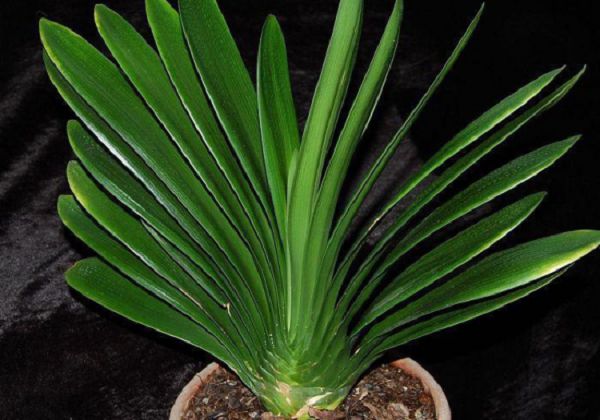
When a clivia offset (pup) grows to 10-plus leaves, or a seed-grown plant grows to about 20 leaves with a base diameter of about 2 cm, it enters the flowering stage. If it does not bloom for years, that is, the clivia does not bloom for years, the reasons can be sought in several aspects. In summary, they are mainly: excessive water in winter; insufficient phosphorus and potassium fertilizer; the plant being damaged when overwintering through summer; and insufficient day-night temperature difference in winter. The details are as follows.
When the summer temperature exceeds 30°C, combined with poor ventilation at the placement site, the normal growth of the clivia will be hindered. The flower pot should be placed in a ventilated, cool and humid place. From May to September, the clivia should be placed in front of a sunny window or in a semi-shady spot, but strong direct light should be avoided. Excessive sun exposure will inhibit growth and can also cause sunscald, with scorched leaves and dry tips.
The clivia has fleshy roots and likes fertile sandy loam, requiring good permeability. In the Beijing area, attention should be paid to restricting water in winter, and it can go half a month without watering, placed on a sunny balcony. When watering, pay attention to watering only when the soil is dry and keeping it moist but not wet. If water accumulates and stays wet for a long time, it causes root rot, which cannot be seen on the surface but will affect flowering.
The clivia is relatively fond of fertilizer. For home-grown plants, in addition to repotting each year with fresh clivia potting soil, phosphorus and potassium fertilizer should also be applied to the potting soil in autumn and in early spring before flowering. Clivia fertilizer sold on the market can also be used directly. It is also possible in autumn or early spring before flowering to use leftover milk dregs, diluted with 10 times water, and pour it in. In this way, in April, most mature clivias can produce brilliant flowers.
In addition, a clivia that has finished flowering should be repotted with fresh soil and given strengthened fertilizer and water management, so that it grows vigorously and forms flower buds and blooms year after year.