How to grow roots on a Clivia? These practical tips you need to master
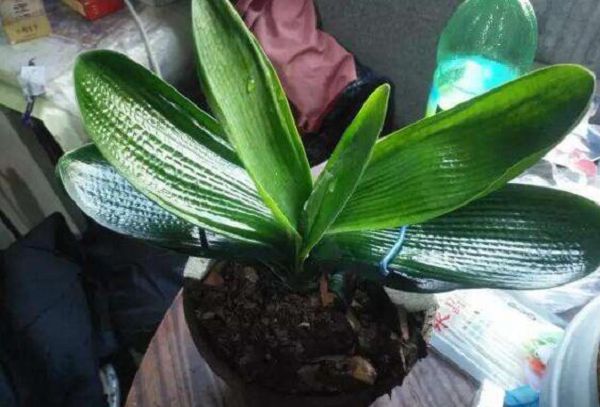
Perhaps due to improper care, the roots of Clivia are very prone to rotting, so how do you normally grow Clivia roots so they become well developed? The tips for growing Clivia roots are actually very simple: you just need to pay attention to four aspects - soil, light, watering and fertilizing - and the roots will grow very well.
I. Tips for caring for Clivia roots 1. Suitable soil
How to grow roots on a Clivia? First, let's talk about soil. The soil for growing Clivia needs to be fertile and loose, breathable and well-draining, while also retaining fertilizer and moisture, and the most common soil mix is sandy loam with some leaf mold and peat added as nutrients. Only good soil can grow good roots, so the choice of soil is very important.
2. Water in moderation
The roots of Clivia are fleshy roots with a fairly strong ability to retain water, so normally you should not water too much, as it easily leads to root rot. In spring and autumn, water once a week; in summer, when temperatures are high, once every 2 to 3 days; in winter, once every half month is enough. But the actual watering still depends on the real situation - if the potting soil is moist, there is no need to water; water again only when it dries out.
3. Reasonable light
Clivia is a fairly shade-tolerant plant and normally cannot take strong direct sunlight, otherwise the leaves are easily scorched. But if it is shaded for a long time, the leaves will become dull, yellow and weak, and it may even fail to bloom. Clivia prefers a weak-light environment, so placing it indoors in a spot with plenty of scattered sunlight is best; while the plant grows strong, the roots will also gradually become well developed.
4. Fertilize in measured amounts
Clivia likes fertilizer and needs it fairly much during the growing period. You can apply a cake fertilizer water based mainly on nitrogen fertilizer once every ten days, but it must be in the right amount - better less than more, because once you over-fertilize it will burn and rot the roots. Only fertilizing in the right amount lets the roots grow better.
II. Tips for rooting Clivia Although mastering the tips for growing Clivia roots is very simple, sometimes you run into situations where Clivia has rotten roots or no roots at all, and many flower lovers think such a Clivia can no longer survive and throw it away. In fact, as long as the branches and leaves of the Clivia have not rotted, it can still be saved, and at this point you need to use the techniques of inducing and forcing roots.
1. Trim and soak
If the roots of the Clivia have rotted, the first thing to do is cut off all the rotten parts to prevent the rot from spreading to the stem and leaves. Then soak it in a carbendazim solution for 20 minutes to disinfect and sterilize. Finally, take the plant out and put it in a cool, ventilated place to dry; when you see the roots turn white, it can be planted.
2. Wrap in sphagnum moss
To promote rooting in the Clivia, you can wrap the roots in sphagnum moss before planting. Soak the sphagnum moss in water for 10 to 20 minutes, take it out and squeeze out the excess water, then wrap the root system of the Clivia with the sphagnum moss, replant it into the pot, and finally place it in a spot with scattered sunlight and good ventilation for care.
3. Care for rooting
During care, if you find the sphagnum moss has dried out, spray water on it immediately, but when spraying you only need to moisten the sphagnum moss slightly; if there is too much water, it will cause the roots to rot, let alone grow new roots. If there is standing water, drain off the excess. After a period of time, the Clivia will grow new roots again.
III. Common problems in caring for Clivia 1. Rotting leaves
When caring for Clivia, the problem of rotting leaves often occurs. The most likely reason is that when watering, water is poured onto the leaf core of the Clivia, causing water to collect there, and if it is not dealt with for a long time, it leads to leaf rot. So you must pay attention to this point when watering.
2. Failure to bloom
When the leaves of a Clivia have grown to 14 or more, it will generally bloom; if it still has not bloomed, it means your care has not been appropriate. There are generally four reasons for not blooming: temperature too high, light too strong or insufficient, overwatering, and too much nitrogen fertilizer. As long as you control these points well, it will generally bloom.
3. Repot every year
The root system of Clivia grows extremely fast, and it needs to be repotted at least once a year, otherwise growth will suffer. The most suitable season for repotting is spring; when repotting you can also trim the roots appropriately, remove the dead and diseased roots, and replace the soil with fertile, loose soil, which lets the Clivia grow and bloom better.