Spider Plant vs Orchid: Which Is Easier to Grow? A Detailed Explanation of the Differences
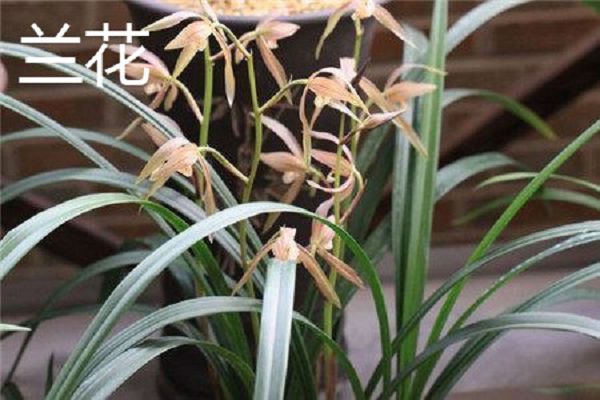
Spider plants and orchids each have their own advantages, and in terms of cultivation, neither is difficult if you know how to care for them. The spider plant is less demanding than the orchid when it comes to soil and climate, so it is clear that the spider plant is more suitable for beginners, as its overall requirements for the growing environment are not high.
I. Orchid
1. Soil: It likes soil with strong drainage capacity.
2. Light: It cannot tolerate overly strong light, so in spring and autumn the sunlight should be properly shaded.
3. Water: It has a relatively high demand for water and requires the soil to stay moist at all times, but there must be no waterlogging.
4. Pruning: Dead branches, diseased branches, and crossing small branches can be cut off. After cutting, apply wound-healing film to the cuts.
II. Spider Plant
1. Soil: It likes nutrient-rich soil with strong drainage capacity.
2. Light: The spider plant is a shade-loving plant and must not be placed under direct strong light; attention should be paid to shading it normally.
3. Water: It likes a moist growing environment. In summer, misting can be used. Watering is usually done in the morning or evening, not at noon, as the alternating cold and heat may damage the roots.
4. Pruning: Usually it is enough to trim the roots a little when repotting.
III. Differences
The spider plant originated in southern Africa. Its flowers are white, and its leaves are papery and grow in circles. It is the most traditional indoor hanging plant and also has the effect of purifying the air. Orchids come in many varieties, and their leaves are mostly leathery. They are extremely beautiful in growth and bloom and have a very fragrant scent. In China they are called the "first fragrance," and because there are so many varieties, their flowering periods can cover 12 months of the year.