How to reduce stress in purchased piglets? A few tips for you
How to reduce stress in purchased piglets? We will teach you a few tips!
At present, many people buy piglets to raise, but after the pigs are purchased and returned to the farm, many farms see outbreaks of disease in large groups of piglets, with an extremely high mortality rate. Some farms experience total losses, and farmers suffer heavy losses.
The cause of these losses is that during transport, piglets are affected by various stress factors, such as transport stress, environmental changes, feed changes and so on, which create mental and physiological pressure on the piglets, leading to gastrointestinal dysfunction and endocrine disorders, making piglets more prone to disease and increasing the mortality rate.
⟧ The key points of feeding and management for purchased piglets mainly start from the following aspects:
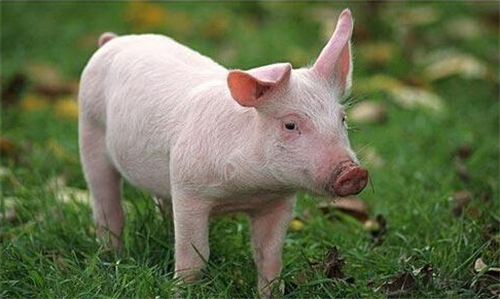
1. First, understand the background of the pigs being purchased, whether there is an epidemic or a subhealthy state, whether immunization and vaccination have been done well, etc., to avoid buying diseased pigs. It is recommended that the selling farm add the special anti-transport pig stress product "Chongci Bao" to ensure that piglets can relieve stress during transport.
2. During long-distance transport, drinking water or a small amount of feed should be given along the way. When weighing and catching pigs, take care to handle them gently and set them down gently to avoid injuring the pigs.
3. The best stocking density is 1 pig per 0.8 sq m, with 10 to 15 pigs per pen, avoiding excessive density and excessive group size.
4. After the pigs enter the pen, first give them clean warm water at 15°C to 20°C, and add the special anti-transport pig stress product Chongci Bao to the water.
5. In the first week after entering the pen, feeding should follow the principle of small amounts and frequent feeding, with gradual transition. At first, feed 5 to 6 times a day; after 7 days, feed 4 times a day, at fixed times, and choose high-grade piglet feed with comprehensive nutrition and good digestibility.
6. Provide the pigs with a warm, dry, clean and comfortable living environment, adjust the temperature inside the barn, keep the pen clean and hygienic, do a good job of ventilation, ensure fresh air inside the barn, improve the air quality of the pig house and reduce the ammonia concentration.
7. Train the pigs well in their habits of eating, lying down and excreting, do a good job of positioning the pigs, and always observe the pigs' spirit, feed intake and health status, and solve any abnormal conditions promptly.
8. After piglets are purchased and brought back, 15 to 20 days later, when the stress state has been relieved, various vaccinations need to be carried out.
9. Do a good job of regular disinfection, and carry out deworming about 1 month after the pigs enter the pen.
Losses caused by pig transport stress:
1. Weight loss losses of live pigs, disability and death caused by transport, and decline in carcass quality;
2. Decline in production and reproductive performance and immunity;
3. Increased demand and appearance of deficiency diseases.
The transport of piglets has much stricter requirements than that of commercial pigs. The common point is that both require shortening transport time to reduce losses and preventing piglets from being crushed, stressed, killed or disabled. However, piglets are meant to continue being raised, so it should also be required as much as possible not to affect later growth.