This Is the Correct Way to Manage Orchids in Early Spring
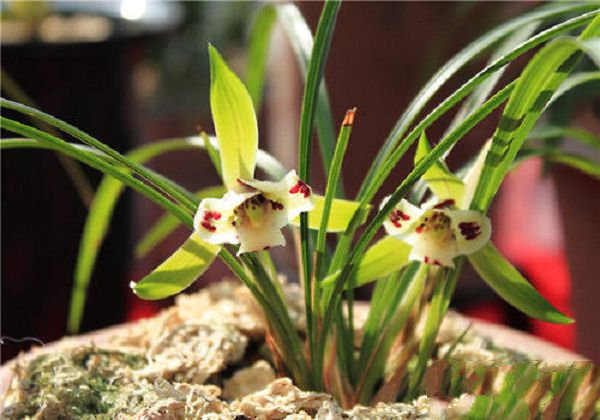
Early spring is the full bloom period for some orchid varieties and the sprouting period for others. It is fair to say that the early spring season is quite important for orchids. If orchids are managed improperly during this time, it can easily lead to root rot and bud rot. So how can you correctly manage orchids in early spring?
Orchid
Given the unpredictable, cold, overcast and rainy weather of early spring, Cymbidium sinense (Baosui Orchid) and Cymbidium goeringii (Spring Orchid) in full bloom must be kept indoors to protect the flower stems and blooms, because rainy and cold, changeable weather will shorten the blooming period, and watering orchids with cold rainwater will cause the flowers to rot. For orchids such as Cymbidium ensifolium (Jian Orchid) and Cymbidium kanran (Cold Orchid), they can be placed outdoors, but you must make sure the pots drain well and guard against waterlogging; it is best to set up plastic sheeting above the pots to shield them from rain.
In early spring, all fertiliser should be withheld from orchids. At this time the potting soil should be kept slightly moist; otherwise the new shoots of Cymbidium ensifolium and Cymbidium kanran will rot and die, commonly known as "black death", where the tips of the orchid shoots rot and turn dark brown, spreading until the entire shoot withers and dies. If the spring shoots rot and die, it will seriously affect the growth, propagation and flowering of the whole orchid plant that year. As the saying goes: strong spring shoots, weak summer shoots, autumn shoots don't count. If the spring shoots rot and die, you will not get vigorous new seedlings that year.
The overcast weather of spring is a period when various pests and diseases occur frequently. Snails, aphids, scale insects, cutworms, mole crickets and other pests begin to damage orchid plants and new shoots; the rainy, humid weather will worsen the occurrence of brown spot disease. Therefore, regularly spray a 1000-fold dilution of 65% thiophanate or 50% carbendazim, keep the area around the orchid pots clean, and scatter quicklime to prevent pests from entering the pots through the pot walls and drainage holes at the bottom to cause damage; frequently check the orchid pots for any pests or diseases. For Cymbidium sinense and Cymbidium goeringii whose blooming period has passed, fertiliser should be applied in good time, but avoid applying concentrated fertiliser.