What to Do When Magnolia Leaves Turn Yellow? Causes and Solutions
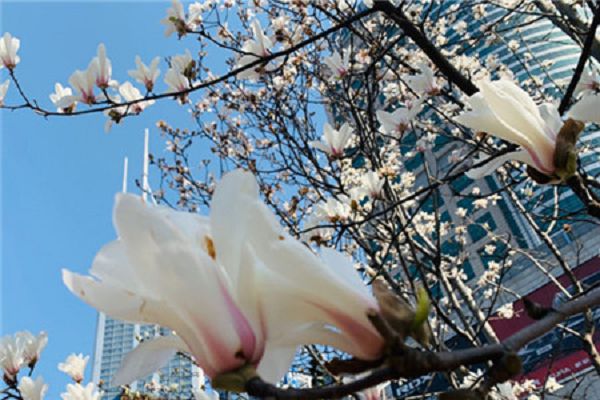
There are roughly three causes of yellow leaves on magnolia. If it is due to unsuitable soil, you can simultaneously drip food vinegar or ferrous sulfate to improve the soil quality, or simply replace it with well-drained, slightly acidic sandy soil; if it is due to insufficient light, you can move it to a balcony, windowsill or other spot with good lighting conditions for care; if it is due to excessive temperature, you can move it to a cool, well-ventilated place and lower the temperature by spraying water around it.
1. Unsuitable soil
Cause: Magnolia is a plant that requires soil cultivation, so whether the soil suits its growing conditions has a great impact. If the soil is alkaline, severely compacted, and poorly drained, it is not suitable for planting magnolia. Choosing the wrong soil will seriously hinder its growth, because it will have difficulty absorbing nutrients, the plant will suffer from internal malnutrition, and the leaves will turn yellow.
Solution: You can change the soil's pH by applying food vinegar or ferrous sulfate, making the soil more suitable for the magnolia's growing conditions. You can also directly dig out the plant and replant it in well-drained, slightly acidic sandy soil.
2. Insufficient light
Cause: Magnolia loves sunlight, and only with sufficient light will it grow quickly and well. If its care environment has too little sunlight, it can easily lead to poor growth of the magnolia. It will struggle to produce flower buds, the leaves will turn yellow, and even flowering will be affected to some extent.
Solution: You can move the magnolia to a courtyard, balcony, garden, windowsill or other location with relatively good lighting conditions to ensure it receives sufficient sunlight. However, also be careful to shade it from strong direct light during midsummer.
3. Excessive temperature
Cause: Magnolia has relatively high temperature requirements for growth, and temperatures that are too high or too low are both unfavorable to its growth. Too high a temperature will accelerate its water evaporation, making water supply fall short of demand, causing the leaves to turn yellow.
Solution: When the temperature is too high, be careful to move the magnolia to a cool, well-ventilated place to enhance air circulation. You can also spray water to lower the temperature and increase humidity.