What are the techniques for building pig pens when winter temperatures are low
Sharing techniques for building pig pens when winter temperatures are low
First and most important is the temperature inside the pen. If the temperature is too low or too high, it affects the pigs' feed consumption and weight gain. The suitable temperature range for raising pigs depends on many factors such as the pig's breed, age, physiological stage and rearing conditions. For example, the temperature for newborn piglets should be controlled at 32°C-35°C within the first week, then lowered by 2°C each week; the temperature in nursery pig pens should be controlled at 22°C-27°C; the temperature in finishing pig pens should be kept at 17°C-20°C; and the temperature in the farrowing room must not exceed 25°C.
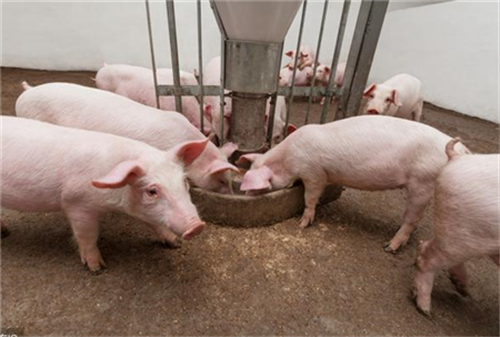
Second is the humidity of the pen. When humidity is high, the pigs' disease resistance weakens, which favors the reproduction and growth of pathogenic microorganisms, and pigs are prone to mange, eczema and respiratory diseases. When relative humidity rises from 45% to 95%, the pigs' daily weight gain drops by 6%~8%. When the temperature is 11°C~23°C and the relative humidity is 50%~80%, the fattening effect on pigs is the best.
Third is the harmful gases in the pen. The harm of excessive harmful gases in the pen is closely related to intestinal digestion. We are often troubled by odors and harmful gases in pig houses, and in winter when they are closed up this problem becomes even more serious. Harmful gases in pig houses, including ammonia and hydrogen sulfide, not only smell bad but are also highly irritating. They are strongly corrosive to pigs' eyes and respiratory tract mucosa. As netizens describe it, pigs living in this environment have a greatly increased chance of developing respiratory diseases. However, because winter temperatures are low, ventilation measures are overlooked by many farmers. But we must do proper ventilation to ensure the air is fresh and does not sting the eyes, so as to avoid irritating the respiratory tract and triggering respiratory inflammation, which lowers the pigs' resistance. Ventilation should be arranged when the pigs are most active in eating, and the exhaust fans should be switched on and off regularly for ventilation.
Fourth is stocking density. Increasing stocking density can make full use of effective space and lower pig-raising costs. Reducing density ensures the space needed for pigs' growth and development, can reduce feed intake, and can reduce vices caused by cramped space, such as defecating and urinating everywhere and tail biting. Therefore, stocking density must be controlled reasonably. The age difference among piglets weaned in the same batch should not exceed one week, and preferably one litter per pen, to reduce cross-infection among piglets with different immune statuses. When they are raised to about 20-25 kg and transferred, the density for slatted floors should be 0.5 sq m per head, and for strip-style floors 0.3 sq m per head. Groups in finishing houses should not be too large; 15-20 head per pen is suitable. Depending on the climate and pen conditions, the suitable density is 0.8 sq m per head for medium pigs and 0.8-1.2 sq m per head for large pigs.