How should the soil for growing Clivia be mixed for best results
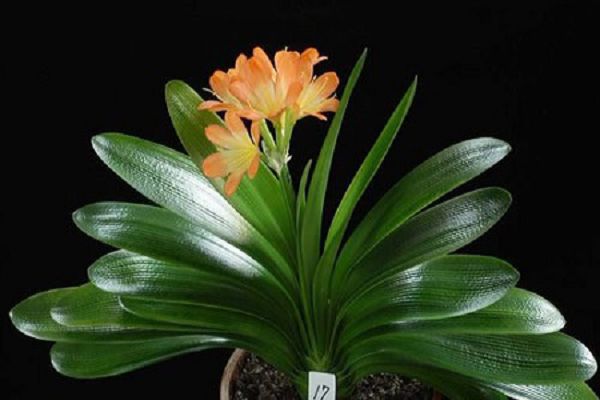
Clivia's specific requirements for soil include fertility, looseness, good air permeability and water drainage, and comprehensive nutrition. The main raw materials used include leaf mold, river sand, furnace slag, horse manure soil, and so on. For the specific mixing method, you can mix larch needles, garden soil, compost, cake residue, and river sand in equal proportions as its growing medium.
1. Requirements for soil
Clivia has relatively strict requirements for soil, and soil has a great influence on its growth. Specifically, it requires fertility, looseness, plus air permeability and water drainage, and the nutrition must also be rich and comprehensive.
2. Raw materials used
(1) Leaf mold: In principle, the leaves of any broadleaf tree can be used. However, practical testing has proven that oak leaves have a relatively good effect.
(2) River sand: Choose washed river sand the size of rice grains. It can effectively increase the soil's air permeability and can also lower the soil temperature.
(3) Furnace slag: The best kind is produced by high-temperature burning. Corn-kernel sized, and it must also be washed before use. It can increase the soil's water retention.
(4) Horse manure soil: After fermentation. It can generally be used as a base fertilizer.
(5) Larch needles: They can be used alone, but are generally used together with other materials. They are slightly acidic.
3. General mixing method for nutrient soil
Generally, 20 percent larch needles, 20 percent garden soil, 20 percent compost, 20 percent cake residue, and the remaining 20 percent river sand are chosen. This is only one mixing method.
4. Mixing methods for different purposes
(1) Growing leaves: Use half leaf mold, add 30 percent larch needles, then add 10 percent each of bone meal, furnace slag, and so on.
(2) Growing roots: Use 30 percent leaf mold, 40 percent pine needles, 20 percent river sand, and 10 percent bone meal.