What are the specific steps for vernalization of orchids?
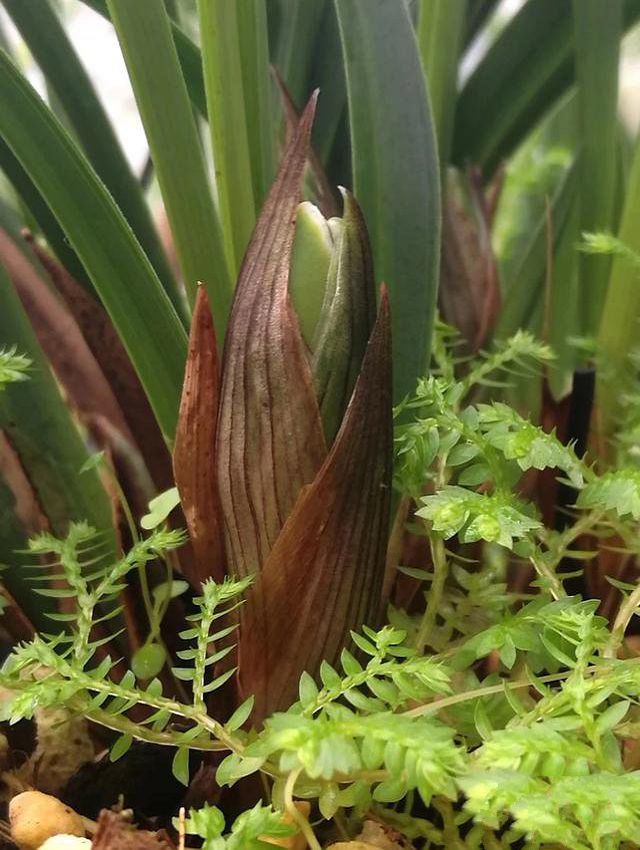
After the winter solstice, Cymbidium goeringii and Cymbidium faberi with flower buds begin vernalization. For Cymbidium goeringii and Cymbidium faberi that have already grown flower buds, when the flower buds grow to three or four cm high and their growth rate noticeably slows or stops, they should be vernalized in an environment of 2 to 10°C, and the vernalization period should be no less than 30 days. For orchids that have not yet grown flower buds, low-temperature vernalization should be carried out around the winter solstice, and the vernalization period should be no less than 30 days and no more than 60 days.
Cymbidium goeringii and Cymbidium faberi do not necessarily have to undergo vernalization to bloom, but Cymbidium goeringii and Cymbidium faberi that have undergone vernalization bloom much better, with neat flowering and no "stuck arrows" (buds failing to emerge properly).
If orchids are to produce high-quality flowers, they must experience a period of sustained low temperature before they can shift from the vegetative growth stage to the reproductive growth stage. Simply put, orchid vernalization is letting orchids switch from vegetative growth to reproductive growth.
Because of low-temperature dormancy, orchids almost stop growing. At this time, the main thing to do is accumulate nutrients, and the accumulated nutrients are mainly supplied to the orchid's flower buds.
The purpose of orchid vernalization is to let the dormant orchid accumulate nutrients, stimulate reproductive growth, and then transport the nutrients to the flower buds so they can undergo flower bud differentiation, have enough nutrients to bolt and bloom, and thus achieve a very good flower display.
Before giving orchids low-temperature vernalization, supplement nutrients once and apply a foliar fertilizer once to supply nutrients in advance. The more energy accumulated, the fuller the flower buds will be later, and the more vivid and beautiful the bolting and blooming will be.
The potting soil should be kept dry and must not be too moist, because at this time the orchid is in a dormant state and its life activities are inherently weak. If the potting soil is too moist, it will make the root system active, which may break dormancy and end low-temperature vernalization early.