How to care for Aglaia odorata in spring? Increase light, apply fertilizer and prune
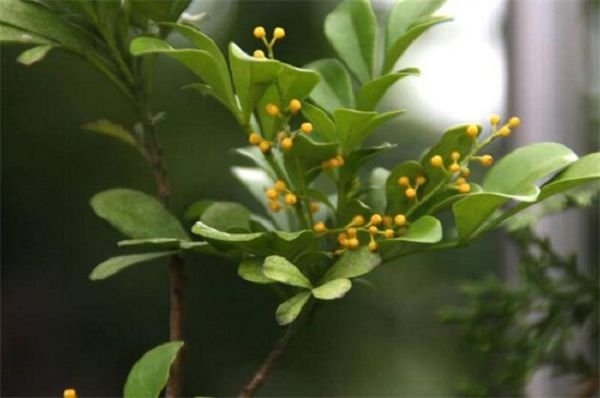
When growing Aglaia odorata in spring, it needs to be placed in ample sunlight for care; spring sunlight can promote lush growth. The plant also needs to be watered promptly, and a nitrogen-phosphorus-potassium compound fertilizer should be applied 1 to 2 times a month. In spring it also needs timely pruning, and the environment should be kept well ventilated to prevent pests and diseases from harming the plant.
Spring care methods for Aglaia odorata 1. Increase light
Aglaia odorata is a sun-loving plant, so it must usually be placed in sunlight for care. Spring is the season when all things revive and is the growing season for Aglaia odorata. At this time the plant needs more light and should be placed in ample sunlight for careful care; only in this way can leggy growth be avoided, which benefits the plant's growth.
2. Water and fertilizer management
Usually, during spring care, not only does Aglaia odorata need more light, its soil also needs timely watering and care. The soil must be kept moist at all times, and a nitrogen-phosphorus-potassium compound fertilizer should be applied 1 to 2 times a month. However, on rainy days drainage measures must be taken to prevent its roots from rotting.
3. Pruning
Aglaia odorata grows relatively fast, and its branches and leaves also grow especially luxuriantly. Usually, during spring care, the plant can also be pruned appropriately, cutting off branches that affect the plant's appearance or that have turned yellow or become old and withered. This can encourage the plant to produce beautiful flowers.
4. Pest and disease control
Spring is not only the growing season for Aglaia odorata but also the breeding season for bacteria, pests and diseases. During this season the plant is also very vulnerable to harm from pests and diseases. At this time, not only is pruning needed, the environment must also be kept ventilated, and the surrounding weeds must be dealt with. When pests or diseases occur, simply spray the corresponding pesticide.