Why cut off the flowers as soon as a clivia blooms?
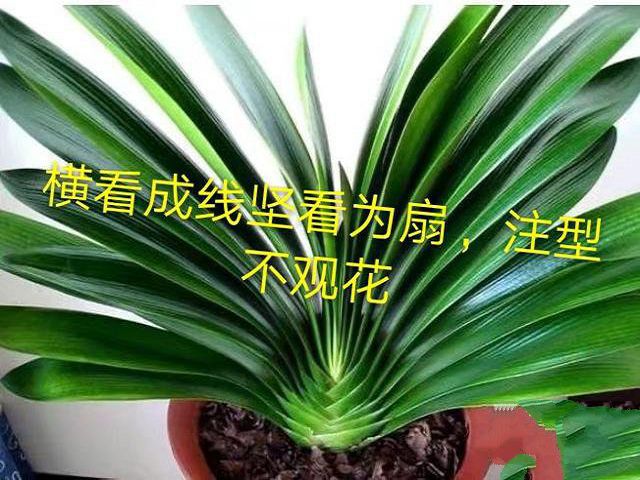
Clivia is one of the rare plants appreciated for both flowers and foliage, and Chinese enthusiasts have developed a culture of growing clivia that differs from that abroad: abroad, clivia is grown for its flowers; in China, more attention is paid to its leaves. From this came the clivia culture of viewing the leaves in all four seasons, enjoying the fruit in three seasons, and admiring the flowers in one season. This is especially true of clivia lovers in Northeast China.
The reason for cutting as soon as the clivia blooms lies first in the base
A clivia looks like a line from the side and a fan from the front, and clivia buyers now value the base and the leaves equally rather than judging the leaves alone. A base that is wide, thick and large, with the leaves on both sides symmetrical in length and not splayed, is considered top grade; the tighter the base, the more leaves it holds. Many leaves make a wide base, which gives a sense of steadiness.
If the base is small and the plant blooms, it consumes a great deal of nutrients, which is bad for maintaining the base. Then there is the difficulty of forming a base once the plant has bloomed: it loses its compactness and becomes loose, which conflicts with the unspoiled form sought in a tight base. That is why many people cut off the flowers of clivias with small bases as soon as they open.
2. Cutting for the sake of leaf vein patterns
Clivia leaves are judged by four qualities: brightness, fineness, stiffness and uprightness.
Preferences vary: some like leaves that are thin yet stiff, with sharp, bold veins; others prefer leaves that are thick yet stiff, with coarse ribs and sunken veins.
Vein patterns include the field-shaped pattern, the sun-shaped pattern, random patterns and fishbone patterns. Whatever the pattern, it should stand out with a strong three-dimensional look, without fleshy buildup, and be neat and orderly, and it should cover as much of the leaf surface as possible. If the edge veins or the veins at the tip are not distinct, the plant is regarded as inferior. Blooming drains nutrients and affects the vein appearance and patterns that clivia enthusiasts prize, so the flowers are cut as soon as they open.
3. Cutting because the flower stalk is trapped in the base
It is common for a clivia's flower stalk to be trapped, with the flowers opening inside the base, which ruins the pleasure of viewing the flowers and is dull and tasteless and prone to heart rot. Heartbroken growers have no choice but to cut them off tearfully and wait until next year to enjoy them again.
4. Cutting because of pests and diseases
Blooming while diseased does great harm to the plant. Improper watering and fertilizing during the bud stage causes root rot, and although the plant may still bloom, the flowers are weak and of poor quality. Viewing the flowers comes second; keeping the plant healthy comes first, so the flowers are cut.