How to handle rain lilies after the flowers fade? Prune the spent flowers to accumulate nutrients and encourage the next bloom
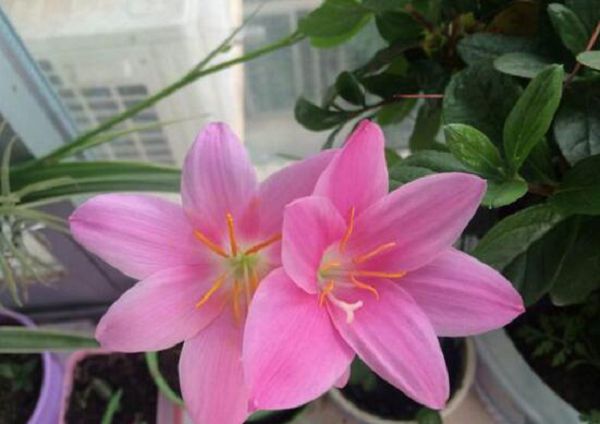
The rain lily is a very unique flower. Before it blooms it looks like a clump of weeds, but once it flowers it looks very beautiful. As for how to handle rain lilies after the flowers fade, the best method is to prune them off after the blooms wither, which not only encourages the next batch of flowers to open but also benefits the rain lily's bulbs.
I. Methods for handling rain lilies after the flowers fade 1. Pruning to encourage flowering and growth
The rain lily's flowering period is between May and October, during which the flowers will continuously bloom about 5 to 6 times, with a certain interval between each blooming. If the previous batch of flowers has already withered and has no ornamental value left, the spent flowers should be pruned off in time, which benefits the next blooming and also extends the overall flowering period.
Whenever a flower withers it should be pruned off. This not only encourages the flowers to open but also promotes the growth of the rain lily's bulbs. After the flowers have completely faded, you can also dig out some of the newly formed bulbs and transplant them into other pots of soil, which makes another new pot of rain lilies.
2. Controlling water to force flowering
After the rain lily has completely finished blooming, besides cutting off the spent flowers and withered branches, you can also make it bloom once more by controlling water. After the flowers finish, do not water it, let it suffer a bit of drought, and wait until the soil has dried out completely before watering, giving it a thorough soaking, and it will soon bloom again. Now that you know how to handle rain lilies after the flowers fade, let's look at the care techniques that make them bloom more.
II. Care techniques to make rain lilies bloom more 1. Plenty of light
When the rain lily is growing buds, it needs plenty of light, which promotes flower bud differentiation, and photosynthesis also accumulates the nutrients needed for blooming. Insufficient light will cause the branches and leaves to grow leggy without producing flowers, so before the flowering period arrives you must let the rain lily receive light.
2. Applying fertilizer
Because blooming requires a large amount of nutrients, besides needing fertile potting soil when planting, you also need to apply some fertilizer appropriately. If you want to encourage flowering, it is best to apply some phosphorus and potassium fertilizer one month before the flowering period, which can make the root system strong and promote flower bud differentiation, so more flowers bloom.
3. Pruning leaves to encourage flowering
If the rain lily does not bloom for a long time, you can cut off its leaves, then stop watering, and when the potting soil becomes dry, water it thoroughly with ice water, which will trigger the rain lily to reproduce, and after some time it will bloom.
III. Points to note when growing rain lilies 1. Pay attention to care
The rain lily is fairly drought-tolerant, and normally you must not water it too much, otherwise it will fail to bloom. Also, during the growing period it needs supplemental light to promote growth and flowering. Rain lilies can be propagated all year round, either by division or by bulbs; as long as the temperature is kept above 15°C, they will survive easily.
2. Repot every year
When caring for rain lilies, it is best to repot once a year, because rain lilies grow relatively fast and need repotting to ensure the bulbs have enough room to grow. When repotting, use fertile new soil and add an appropriate amount of base fertilizer to the soil, which is more beneficial to the plant's growth. Division propagation can also be done together with repotting.