What soil is best for growing orchids? A detailed guide to orchid soil mixing methods
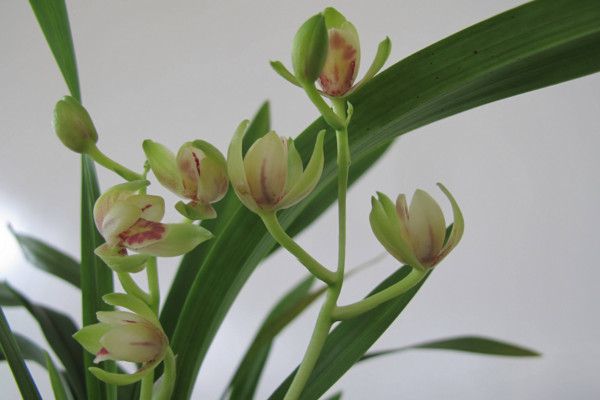
The best soil for growing orchids should be loose, breathable, well-draining, and slightly acidic. Orchid roots are fleshy roots and aerial roots; if breathability and drainage are poor, the roots will be suffocated or develop root rot from waterlogging. At the same time, orchids prefer acidic conditions and grow better in slightly acidic soil. When mixing, you can combine leaf mold, red soil, and river sand to promote vigorous growth.
I. What soil is good
1. Breathability
First of all, of course, you must ensure the soil is loose and breathable, so that the orchid roots can breathe properly. As is well known, orchids have fleshy roots and aerial roots. If the soil is not breathable enough, the roots cannot develop well, and their growth will be greatly reduced.
2. Drainage
As mentioned above, orchids have fleshy roots, which means they are not tolerant of waterlogging. If the soil drainage is poor, the water cannot be fully absorbed during growth, and the roots will soak in water and slowly rot, which in severe cases can cause the plant to die directly. Therefore, good drainage is especially important.
3. Slightly acidic
Orchids generally prefer acidic conditions. Given their characteristics, the soil must be slightly acidic. Do not use alkaline soil or soil that is too sticky, as this will cause poor plant growth. However, it should not be too acidic either. Generally, keeping the pH between 6 and 6.5 is sufficient; otherwise, it is also unfavorable for their growth.
II. Mixing methods
You can use some clean garden soil mixed evenly with an equal amount of leaf mold, or you can use a growing medium made from leaf mold, red soil, and river sand in a 6:3:1 ratio. While ensuring drainage and breathability, it also provides sufficient nutrients, allowing orchids to grow more vigorously in the early stages.