How to tell if a Clivia is short of water? A detailed guide to the specific methods
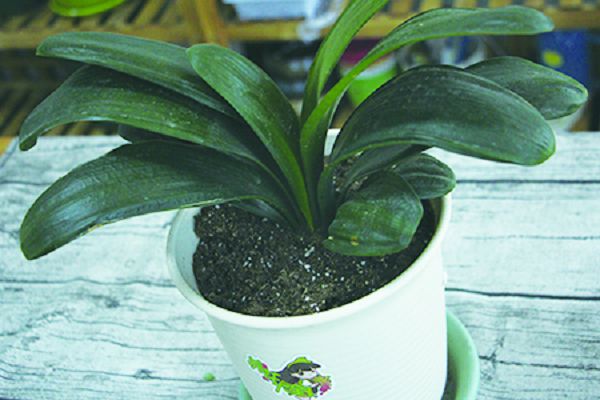
When we grow Clivia, if we see that its leaves look lifeless and lack any sign of growth, it may be short of water. You can also test whether the plant is short of water by inserting a toothpick into the soil, tapping the pot, or weighing the pot by hand. Generally, when the plant is short of water, the pot feels quite light, and the sound it makes when tapped is fairly crisp.
1. The toothpick method
We can insert a toothpick into the plant's soil for about two days, then take it out and check whether the surface of the toothpick is moist. If it looks fairly moist, that means it does not need watering yet; if it is dry, then it needs watering.
2. The tapping method
Tap the flower pot and judge whether it is short of water by the sound the tapping makes. If the tapping sound is fairly crisp, that means the plant is currently short of water, and it is time to water it; if the sound is fairly dull, that means there is quite a lot of water inside.
3. The lift-the-pot test
Before watering, we can lift the flower pot and weigh it by hand. If it feels very light, the water may have evaporated completely and it needs watering; if it feels very heavy, that means there is plenty of water inside.
4. Look at the condition of the leaves
If the Clivia's leaves look rather drooping and are not in very good condition, and are not as perky as usual, that means the plant has already lost water and needs replenishing.
5. The checking method
Put your hand into the soil and feel it. If your finger feels damp when you push it in, then it does not need watering; if it feels fairly dry, then it needs watering promptly.