Formulas and Mixing Methods for Growing Orchids with Pine Needles
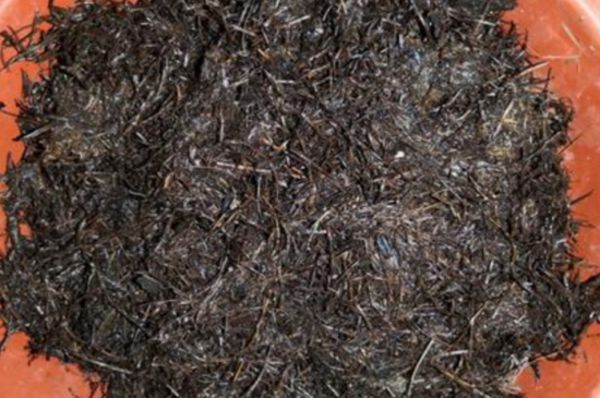
When growing orchids with pine needles, you can use a mix of 5 parts pine needle soil, 3 parts yellow sand soil and 2 parts river sand to make the growing medium, or you can mix leaf mold, 2 parts pine needle soil and 2 parts river sand. Before potting, it needs to be thoroughly sterilized, or it can be made by mixing and stirring humus soil, pine needles, perlite or volcanic rock.
Formula for Growing Orchids with Pine Needles
Pine needle soil has good water retention and air permeability, making it quite suitable for orchid growth. Generally, you can use a mix of 5 parts pine needle soil, 3 parts yellow sand soil and 2 parts river sand to make the growing medium. This kind of soil is more loose and breathable and has comprehensive nutrients. The river sand in it has good drainage, which does a good job of promoting the growth of orchid roots.
You can also add some leaf mold to the pine needle soil. You can use a mix of 3 parts leaf mold, 2 parts pine needle soil and 2 parts river sand to make the growing medium. Leaf mold is mainly soil made from rotted fallen leaves or green grass after decomposition. Before potting, the soil needs to be thoroughly sterilized to avoid bacteria remaining in the soil, which is bad for growth.
In addition, field soil is also the best mixed growing medium. You can add some small stones to the bottom of the pot, cover them with a layer of field soil, then cover the surface of the potting soil with pine needle soil, and add some decomposed compost or fermented and decomposed organic fertilizers such as soybean cake and peanut shells. Before potting, stir and mix evenly. This allows the nutrients to be distributed in a relatively balanced way.
When using pine needles to grow orchids, you must not use only pine needles, as this cannot guarantee comprehensive nutrition. When potting, you can put some humus soil at the bottom of the pot, put an appropriate amount of pine needles and river sand in the upper part, and you can also appropriately add some volcanic rock or perlite to ensure there is a sufficient nutrient supply.